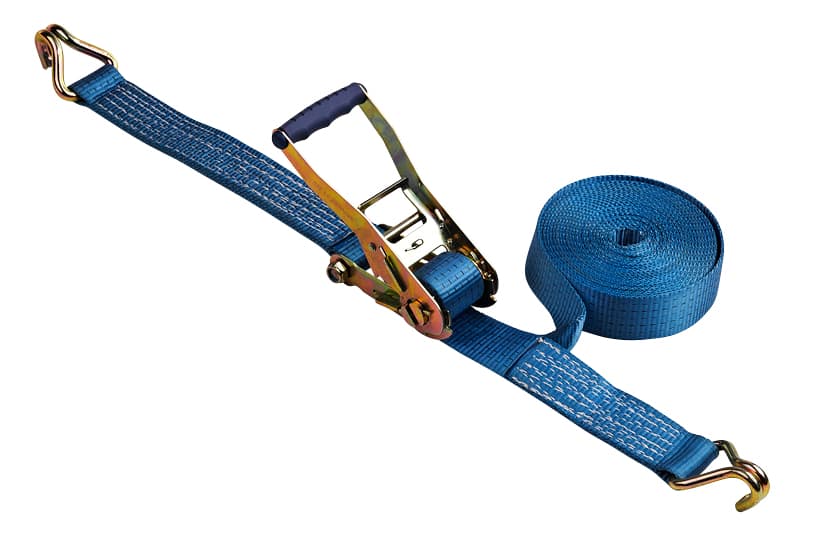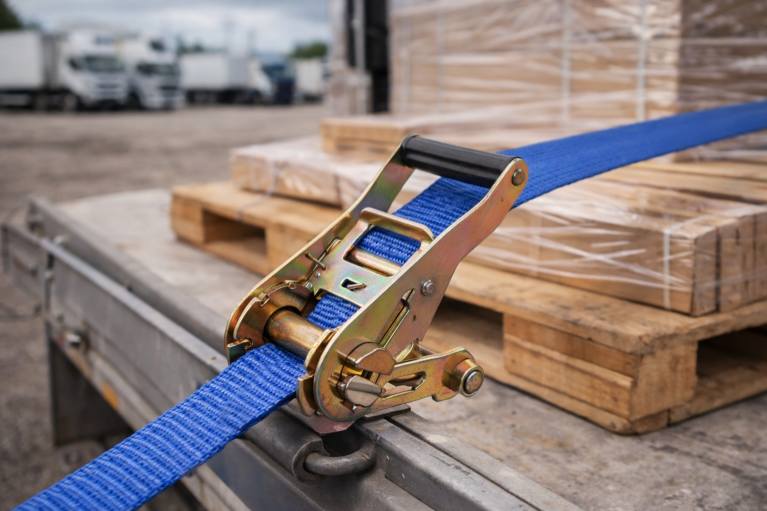
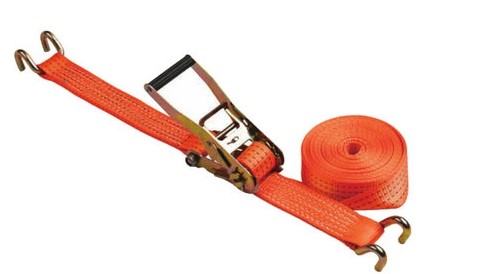
Ratchet straps are not designed for towing. Many drivers try to use them because they look sturdy and are easy to find. Using the wrong tool can lead to accidents or injuries. Safety is paramount when moving vehicles. Always check the equipment before using it for towing. Incorrect operation can cause serious injury.
Key Takeaways
- Ratchet straps are not suitable for towing. They can break and cause injury.
- Always use certified towing straps for towing. These towing straps are designed for safe towing of vehicles.
- Inspect all towing straps before use. Check for cuts, abrasions, or any damage to ensure safety.
- Understand the difference between securing and towing. Ratchet straps are used to secure items. Towing straps are used to tow vehicles.
- Using the wrong towing strap can be illegal. Always follow safety rules to avoid tickets or accidents.
Why do people use ratchet straps for towing?
Common Reasons and Misconceptions
Many people choose ratchet straps when they need to move their vehicles. They see these straps in garages or trucks and assume they can be used for towing. Some people believe any sturdy strap will do the job. Others think that as long as the strap can secure something, it can pull a vehicle. These ideas can lead to dangerous mistakes.
Here are some common misconceptions about using ratchet straps and trailer straps for towing and rescue:
- People often assume trailer straps are sturdy enough for rescue, but they are actually designed for towing vehicles that can move on their own.
- Many people don’t know that trailer straps are not as flexible as rescue straps. This lack of flexibility can make rescue operations dangerous.
- Some people think the hooks on trailer straps are safe, but hooks can break off under pressure and become flying objects.
People may not understand the difference between securing cargo and towing a vehicle. Securing means preventing the item from moving, while towing means pulling the vehicle. Using the wrong trailer strap can lead to accidents.
Ease of Use vs. Safety
Ratcheted trailer straps seem easy to use because they are simple in design and easy to find. They are suitable for securing items on the go. But ease of use does not mean safety.
Hooked trailer straps can break under pressure. If the hook comes loose, it could fly out and cause serious injury or even death. If the metal hook comes loose while taut, it could penetrate the windshield. Hook-type trailer straps are not suitable for towing stuck vehicles. The hook cannot withstand the strong pulling force generated when towing a vehicle.
People should always use the correct tools for towing and rescue. Choosing the right trailer strap ensures everyone’s safety. Ratchet-type trailer straps are not suitable for towing vehicles. Trailer straps are designed for towing, but are not suitable for towing stuck vehicles. Understanding these differences helps prevent accidents and injuries.
Ratchet-type trailer straps vs. trailer straps: Key differences
Materials and Construction
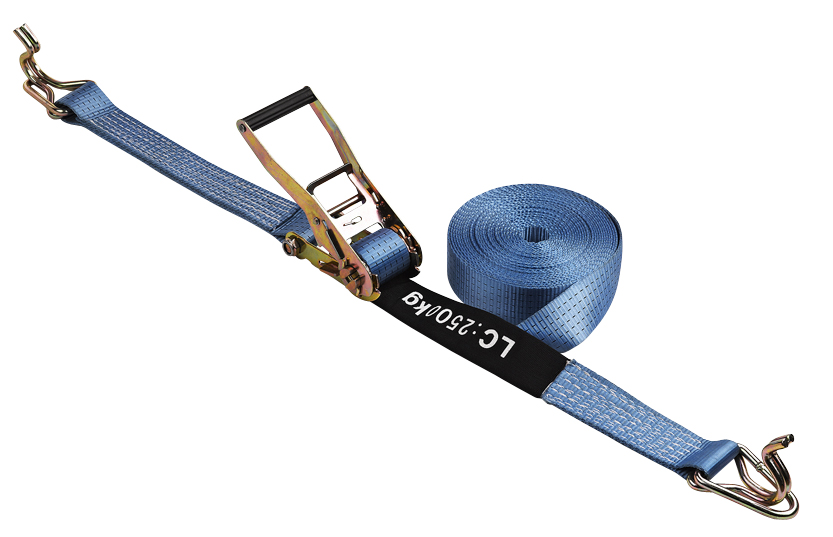
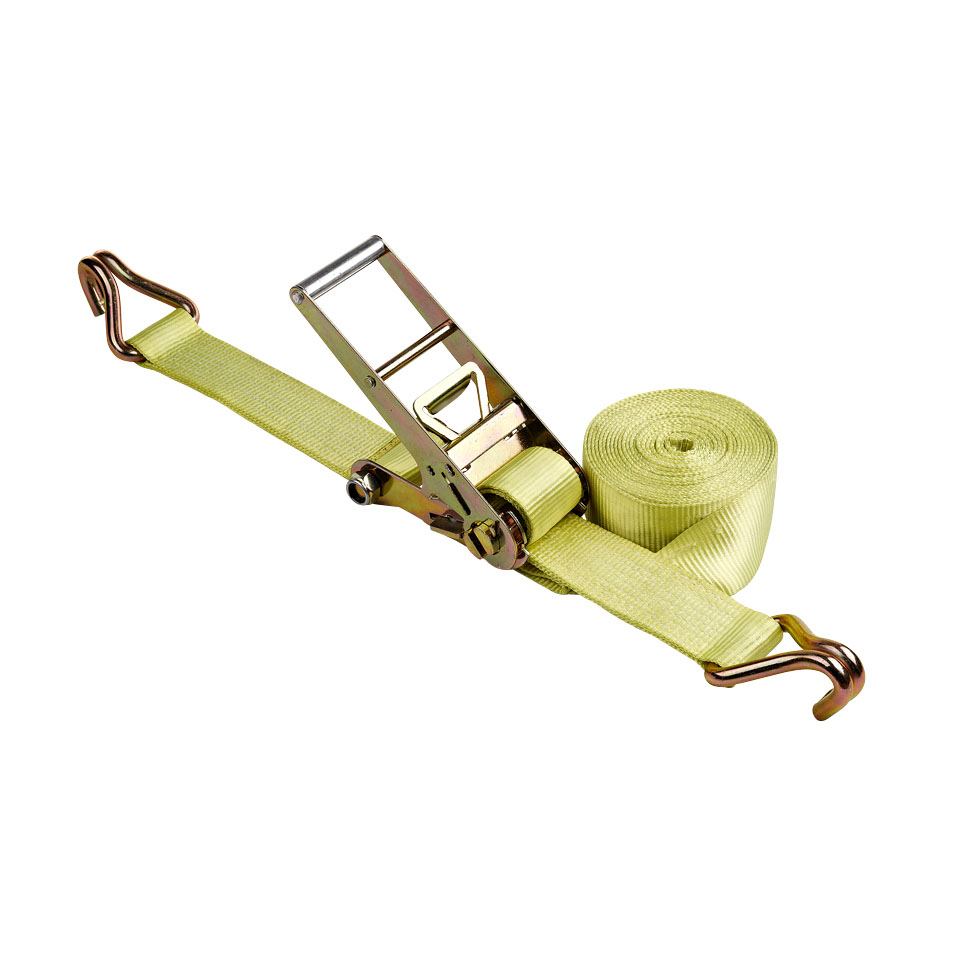
Ratcheted ties and trailer straps look similar, but manufacturers make significant differences in their manufacturing processes. Ratcheted ties are typically made of polyester webbing. This material has high tensile strength, which helps secure cargo. The ratchet mechanism allows the user to tighten the ties and secure cargo during transport. Trailer straps, on the other hand, are typically made of nylon or other more elastic materials. This elasticity helps absorb shocks when towing a vehicle.
Trailer straps do not have ratchet mechanisms. Instead, they have loops or hooks at both ends. These loops or hooks attach to corresponding locations on the vehicle. Trailer straps are designed with traction as a primary focus, not securing items. The strength and functionality required for securing cargo and towing vehicles are different.
Intended Use and Load Limitations
Manufacturers design ratchet ties to secure cargo, not to tow vehicles. The working load limits of ratchet ties range from 500 lbs to over 5,670 lbs, depending on their width and type. For example, a 4-inch ratchet ties can withstand loads up to 5,670 lbs. The working load limit is calculated by dividing the breaking strength by three. This safety margin helps prevent accidents during use.
Before using any traction belt, inspect it for damage. Check for cuts, abrasions, or broken hardware. A damaged traction belt cannot provide secure hold or traction. Regular cleaning and proper storage also help maintain the traction belt’s good condition.
Tip: Always choose the appropriate traction belt for your intended use. Using the wrong type can lead to malfunction and personal injury.
Risks of using ratchet traction belts
Safety Hazards
Ratchet tie downs straps are not designed for towing vehicles. If used for towing, they are prone to breakage. Polyester straps have poor elasticity, meaning they cannot withstand the impact of towing a vehicle. When straps lack elasticity, they break easily and quickly. A broken strap can violently impact objects or people, causing serious personal injury or property damage.
Safety agencies recommend against using polyester straps for towing. The table below lists some warnings:
| Warning | Description |
|---|---|
| Inspection | Check the whole strap before each use. Do not use if parts are broken or the strap is damaged. |
| Working Load Limit | Do not go over the load limit. Do not use for lifting, towing, or holding people. |
| Damage | Stop using right away if you see any damage or problems. |
| Temperature | Do not use polyester or nylon straps in very hot or cold places. |
| UV Exposure | Sunlight can make synthetic straps weaker if they are outside too long. |
The strength of a ratchet belt depends on its weakest link. If the ratchet belt is attached to a weak link, it may break. When the tension is released rapidly, it can injure people or damage vehicles. The ratchet belt may even fly off and strike someone. Always inspect the ratchet belt before use and keep it away from sharp edges.
Failure to follow safety rules can result in serious injury or even death. Always use appropriate equipment. Never use a ratchet belt for towing.
Legal and Liability Issues
Using a ratchet belt for towing on the road can get you into trouble. Many states have strict regulations on towing and securing. If a ratchet belt breaks and causes an accident, the driver or company may be fined or prosecuted. Sometimes, they may even face criminal charges.
There are many risks involved if a ratchet belt breaks during towing and causes an accident. Some of these issues are listed in the table below:
| Liability Issue | Description |
|---|---|
| Trucking Company Liability | Companies can get in trouble if they skip safety checks or do not train drivers. |
| Manufacturer Liability | If a strap breaks because it was made wrong, the maker can be blamed. |
| Negligence Per Se | Breaking safety rules can count as being careless in court. |
| Route Planning Negligence | Not planning for road conditions can cause legal problems. |
| Constructive Notice | Using old or damaged straps can make a company responsible if they knew about the risk. |
Improper use of ratchet trailer straps can cause them to break and injure people. It can also damage the vehicle’s trailer hitch, potentially leading to costly repairs. If a trailer strap breaks, insurance companies may not cover it due to the use of incorrect tools. This can endanger the safety of the driver, the company, and others.
Using the correct towing equipment is not only about safety, but also about obeying the law and ensuring the safety of everyone on the road.
Safe Alternatives to Vehicle Rescue
Choosing Proper Tow Straps
People should choose certified tow straps for rescue and towing. These tow straps must meet safety regulations and be able to withstand strong tensile forces. Before using a tow strap, check its edges for abrasions or cuts. A damaged tow strap can break and injure people. The tow strap’s load-bearing capacity should exceed the weight of the vehicle. This helps prevent the tow strap from breaking while towing a vehicle.
The table below lists common mistakes people make when towing a vehicle:
| Mistake | Explanation |
|---|---|
| Using improper recovery points | Trailer balls and bumpers can break and hurt people. |
| Relying on damaged equipment | Frayed straps and rusty shackles can fail and be dangerous. |
| Failing to understand terrain | Different ground needs special recovery methods. Using the wrong one can make things worse. |
Bao Ying manufactures robust tow straps that meet global safety standards. Their tow straps help people ensure safety and follow best practices.
Emergency Solutions When No Tow Strap Is Available
Sometimes, people may not have a tow strap in an emergency. In this situation, extra caution is necessary. Household or uncertified tow straps may break and cause accidents. The hooks on these tow straps are not designed for towing and may break or come loose. Using the wrong equipment for towing can lead to legal trouble.
If no tow strap is available, people should:
- Seek professional help if possible.
- Do not use ropes, chains, or household tow straps unless absolutely necessary.
- If other items must be used, keep everyone away from the rescue area.
- Attach the tow strap only to a secure location on the vehicle’s chassis.
- Pull slowly, and stop immediately if the tow strap shows signs of damage.
Using the right equipment ensures the safety of everyone during a rescue. A certified tow strap should always be kept in your vehicle for emergencies.
Ratchet straps should not be used to tow or pull vehicles. They are not strong enough and may break, causing injury or damage. Experts recommend using a tow strap and securing items with tie-down straps.
FAQ
Can a ratchet strap be used instead of a rescue strap?
A ratchet strap cannot be used instead of a rescue strap. Tow straps are elastic and absorb impact. Ratchet straps are completely inelastic. Using the wrong tow strap can lead to an accident. Always use a tow strap when towing a vehicle.
Why are tow straps safer than other types of tow straps?
Tow straps are made of a strong yet flexible material. When towed, the tow strap stretches to absorb sudden impacts. This helps reduce the risk of vehicle damage or injury. Tow straps also feature sturdy buckles for easy and secure connection.
How should you inspect a tow strap before use?
Inspect for cuts, abrasions, or broken stitching. Check the buckles and all fittings. Do not use the tow strap if any damage is found. After use, clean and store the tow strap properly.
Can tow straps be used for towing and rescue?
Tow straps are best suited for towing vehicles that are stuck. They are flexible and help vehicles get out of trouble. If you need to tow a moving vehicle, use a trailer hitch. Each type of tow strap has its specific purpose.
How many tow ropes should you keep in your car?
Experts recommend keeping at least two tow ropes in your car. This way, you have a spare if one breaks. Tow ropes can also be useful in difficult rescue situations. For off-road travel, tow ropes are essential.