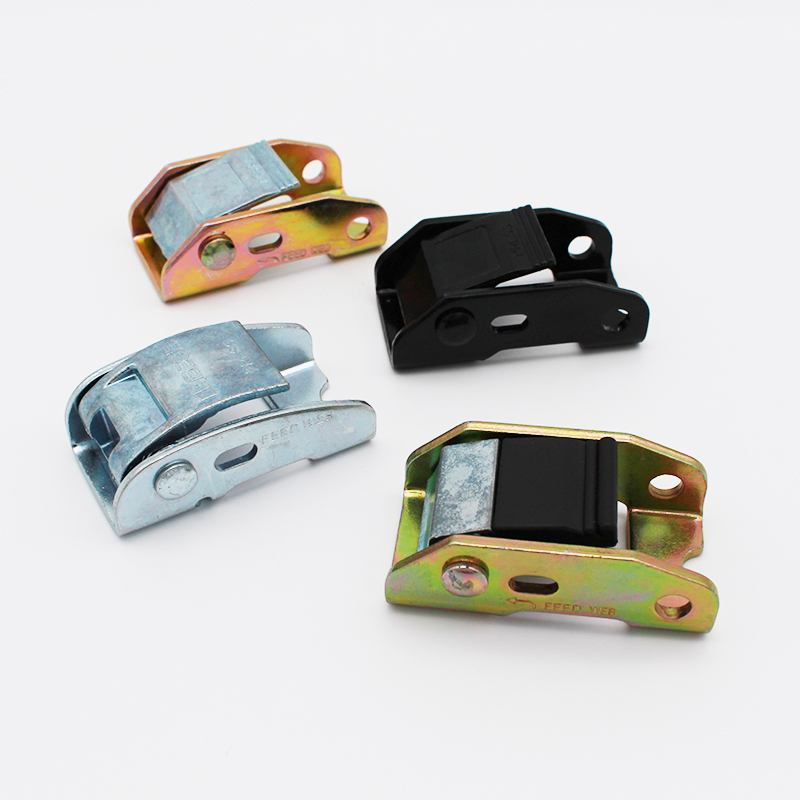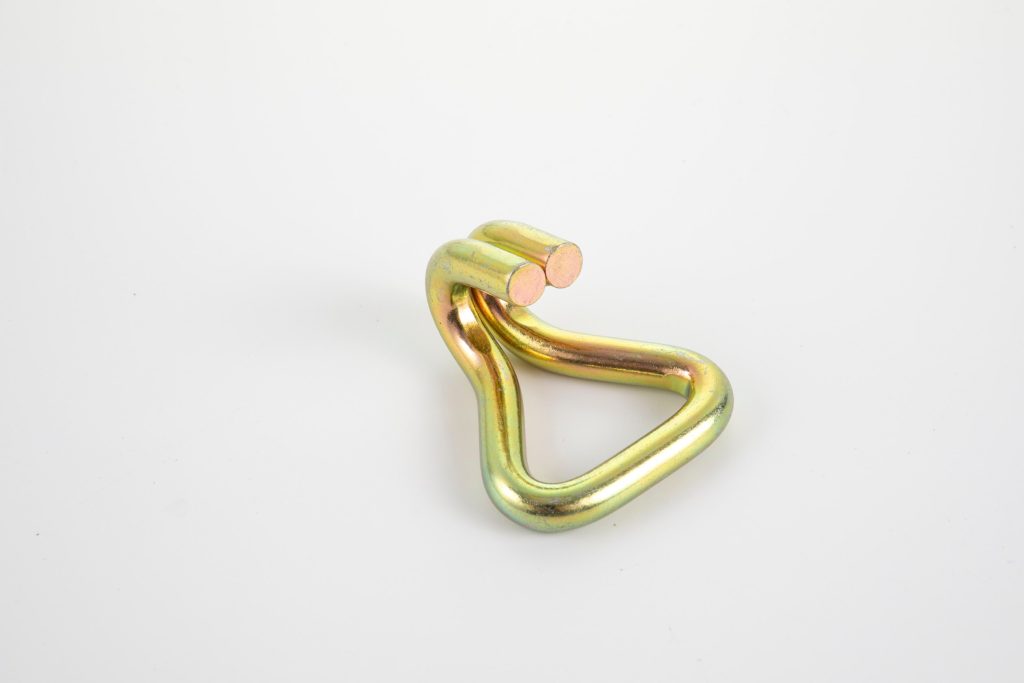
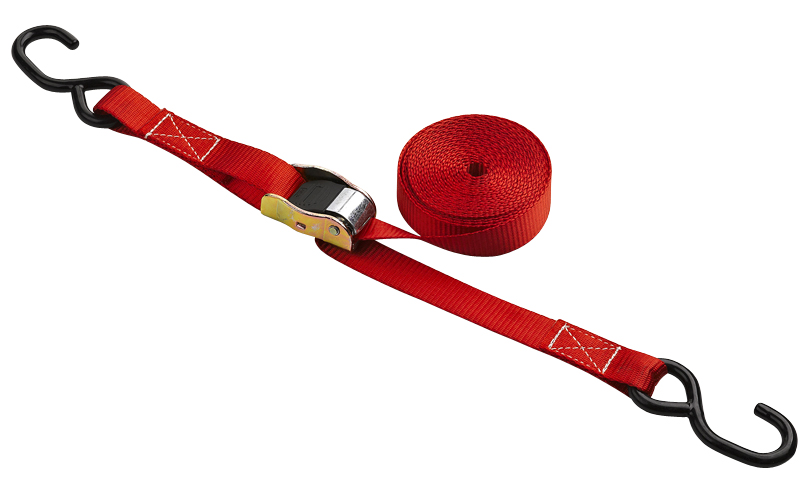
A ratchet belt is a powerful tool used to secure goods. It employs a special tightening system to ensure the safety of the cargo. This system prevents the cargo from shifting. While ropes use knots for securing the goods and are prone to loosening, ratchet belts allow for controlled tightness. Ratchet belts are also stronger than ropes. Many businesses use ratchet belts to move heavy objects. Choosing the right ratchet belt for each type of cargo is crucial. The ratchet belt must fit firmly and be durable.
Key Takeaways
- Ratchet straps are powerful tools. They ensure the safety of goods during transport. They prevent items from shifting, thus ensuring personnel safety.
- Choosing the right ratchet belt is crucial. You need to consider its load-bearing capacity. You should also check its length, width, and hook type. These factors help the ratchet belt perform at its best.
- Using ratchet belts correctly is very important. Always check the ratchet belt for damage. Make sure it is taut before driving.
- Ratchet belts are better than ropes. They keep items taut and prevent them from slipping during transport.
- Purchasing high-quality ratchet belts can make moving heavy objects safer. It can also help you complete your work faster and more efficiently.
Ratchet straps Overview
Definition and Function of Ratchet Belts
A ratchet belt is a tool used to ensure the safety of goods during transport. It utilizes a special ratchet mechanism to tighten the belt, thereby securing items. This prevents items from shifting, avoiding damage or safety hazards. Ratchet belts have adjustable tension and can be quickly released. They are used to securely fasten goods and prevent damage to the transported items. Ratchet belts come in different sizes to suit different weights, making them versatile. The advantage of ratchet belts is their ability to keep items stable, even during travel.
Main Components
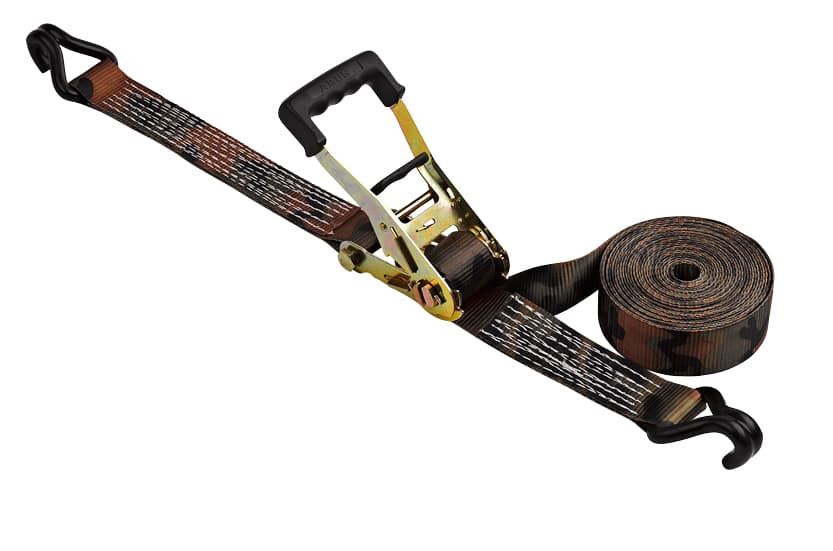
A ratchet belt consists of several main components. The webbing is made of strong polyester fiber. This material is tough, durable, and not easily stretched. Polyester fiber is not easily corroded by sunlight or most chemicals, and has low water absorption, so it will not rot or shrink. The ratchet mechanism is made of high-quality steel for secure tightening. End fittings, such as hooks, can vary depending on the application.
Comparison with Other Binding Straps
Ratchet binding straps are superior to some other binding straps. They are ideal for heavy-duty operations, such as securing cars or machinery. Cam buckle binding straps are best suited for lighter items, such as chairs or small tools. Center buckle binding straps can also secure items, but they may not be as strong as ratchet binding straps.
Ratchet binding straps maintain a firm grip and hold heavy objects well. This is why they are chosen for critical operations.
Newer ratchet binding straps utilize higher-quality materials and smart technology. Some binding straps now feature RFID and load detection capabilities. People also appreciate binding straps that are replaceable or have additional features.
How Does a Ratchet Strap Work?
Ratchet Mechanism Explained
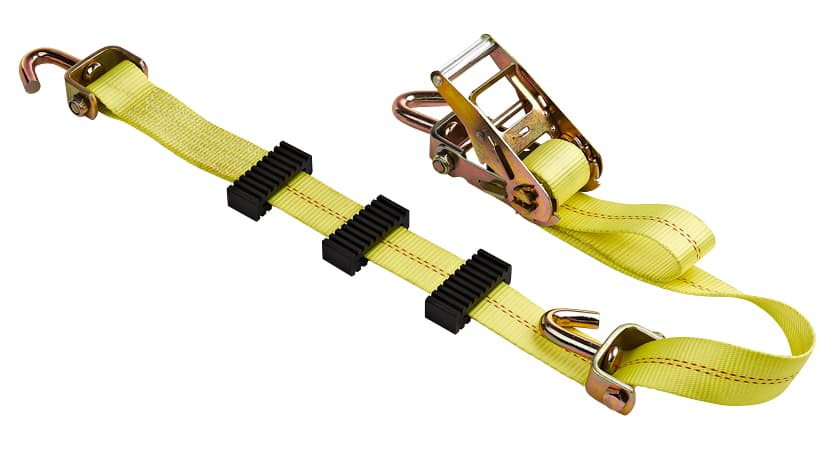
Ratchet straps utilize a special mechanism to securely fasten goods. The main component of this mechanism is a rotating roller, also known as a mandrel. The strap passes through a groove in the mandrel. When someone pulls the ratchet handle back and forth, gears inside the device rotate the mandrel. This rotation causes the strap to wind around the mandrel and tighten with each rotation.
A pawl is a small lever used to lock the mandrel. It prevents the strap from loosening by engaging the gear teeth. This design ensures the load is secure until someone actively releases the tension.
Step-by-Step Usage
Using a ratchet strap correctly helps keep cargo safe during transport. Follow these steps to use one properly:
- Position the cargo so it sits centered and balanced on the trailer or storage area.
- Thread the loose end of the strap through the mandrel of the ratchet mechanism.
- Attach the hook to a strong anchor point on the vehicle or cargo.
- Move the ratchet handle back and forth to tighten the strap.
- Make sure the tension spreads evenly along the strap.
- Check that the strap holds the cargo tightly and nothing can move.
- If needed, repeat these steps for each anchor point.
- Secure any loose ends of the strap to prevent tangling.
Tip: Always check the strap before driving. A tight and secure strap keeps cargo from shifting or falling.
A ratchet strap works best when used with care and attention. Proper use protects both the cargo and the people handling it.
Types of Ratchet Straps
Ratchet straps have many kinds. Each kind works best for a certain job or cargo. People pick the right one by looking at width, end fittings, material, and how they will use it.
| Category | Description |
|---|---|
| By Width & Capacity | Ratchet straps can be 1-inch to 4-inch wide for different weights. |
| By End Fitting | S-hooks, flat hooks, and E-track fittings fit different anchor spots. |
| By Configuration | Open-ended, endless loop, and retractable straps are used in different ways. |
| By Material | Polyester lasts long, and nylon bends more. |
| By Use Case | Light duty or heavy duty straps match how much the cargo weighs. |
Standard Ratchet Straps
Standard ratchet straps are good for most daily jobs. They come in many widths and strengths. People use them to tie down boxes, furniture, or small machines. The table below shows common sizes and how much weight they hold:
| Strap Width | Typical WLL Range (LBS) | Typical WLL Range (KG) | Usage Level |
|---|---|---|---|
| 1 Inch (1″) | 400 – 1,100 | 180 – 500 | Light Duty (Hobby/Retail) |
| 2 Inches (2″) | 1,500 – 3,333 | 680 – 1,500 | Medium Duty (Commercial) |
| 3 Inches (3″) | ~5,400 | ~2,450 | Heavy Duty |
| 4 Inches (4″) | 5,400 – 6,700+ | 2,450 – 3,000+ | Very Heavy Duty (Industrial) |
Heavy-duty ratchet straps
Heavy-duty ratchet straps are suitable for heavy-duty operations. They are made of tough polyester fibers and wide webbing and can be used to secure heavy machinery, vehicles, or large equipment. The table below lists the differences between heavy-duty straps and standard straps:
| Feature | Heavy-Duty Ratchet Straps | Standard Ratchet Straps |
|---|---|---|
| Break Strength | Higher, for heavy loads | Lower, for lighter use |
| Webbing Width | 2 inches or more | Usually 1 inch |
| Material | Industrial-grade polyester | Standard materials |
| Components | High-strength steel | Standard components |
| Applications | Machinery, vehicles, large items | General-purpose, lighter items |
Ringless ratchet straps
Ratchet straps have no hooks; instead, they form a loop around the goods. They are used to bundle items or secure items that lack a fixed anchor point. These straps are ideal for securing pipes, boxes, or pallets.
Common Uses of Ratchet Straps
Cargo Securing
People use ratchet straps in many ways to keep things safe. These straps stop items from moving or falling when you move them. Many jobs need these straps every day. Movers, truck drivers, and warehouse workers all use them to hold loads in place. People at home also use them for their own projects.
- Moving goods from one place to another
- Keeping heavy things safe in trucks or trailers
- Using them at home for things like volleyball nets or hammocks
- Movers use them to stop loads from shifting and to save space
- Carrying ATVs on trailers for fun trips
- Towing cars with strong straps
Ratchet straps let you pick how tight you want the load. This helps keep both the cargo and people safe.
Vehicle and Motorcycle Transport
Moving cars and motorcycles needs strong and safe straps. There are rules for how to use these straps. You must pick the right strap for the weight and type of vehicle.
| Concept | Represented Value | Usage Purpose | Rule |
|---|---|---|---|
| Breaking Strength (BS) | Absolute Physical Limit | For Testing Purposes Only | Used to calculate WLL with the Safety Factor |
| Working Load Limit (WLL) | Safe Usage Limit | The Value Used for Load Securing | The total WLL of the straps used should be at least 50% of the load’s weight |
People follow steps to use straps safely when moving vehicles:
- Pick the right strap by checking the WLL.
- Look at the strap, ratchet, and hooks for damage.
- Use corner protectors to cover sharp edges.
- Put the strap through the ratchet.
- Hook the ends to strong tie-down spots.
- Tighten the strap until the load is safe.
- Lock the ratchet so it stays tight.
- Tie up any extra strap so it does not get in the way.
- Check the strap again after loading and while driving.
Tip: Always look at the straps before and during your trip to keep vehicles safe.
How to Choose the Right Ratchet Strap
Working Weight Limit (WLL)
Choosing the appropriate working weight limit (WLL) is crucial for safety. The Working Weight Limit (WLL) indicates the maximum weight a strap can withstand. WLL is calculated by dividing the strap’s breaking strength by three. For example, if a strap has a breaking strength of 10,000 pounds, its WLL is 3,333 pounds. The U.S. Department of Transportation mandates that every strap bear a clearly visible WLL label. This label helps you check if the strap is strong enough to support your cargo. Prowin ratchet straps all come with clear WLL labels and are made from robust and durable materials. Furthermore, Prowin straps meet multiple safety standards, including ISO 9001, CE, and GS.
Strap Length and Width
The length and width of straps help them accommodate different types of cargo. Prowin offers a variety of strap sizes suitable for various goods. For example, 3-inch or 4-inch wide straps distribute weight more evenly, providing better protection for your items. Narrow straps, such as 1-inch or 2-inch straps, are suitable for securing lightweight items and are easy to pack away. Choosing longer straps is a wise decision. If you need 15-foot straps, we recommend choosing 20-foot straps for more options. If you require straps of a special size, the BAOYING team can also customize them for you.
Hook Types
Different hooks are suitable for different securing locations. BAOYING offers wire hooks, flat hooks, spring hooks, and chain extension hooks. Each hook has its unique purpose. Wire hooks are suitable for confined spaces. Flat hooks are suitable for E-track systems on trailers. Spring hooks allow for quick connection. Chain extension hooks can help you reach more distant or irregular locations.
| Hook Type | Description | Typical Use |
|---|---|---|
| Wire hooks | Good for D-rings and many tie-down spots | General cargo securement |
| Flat hooks | Made for flat places and E-track systems | Trailers and trucks |
| Snap hooks | Fast and safe to connect | Quick fastening and unfastening |
| Chain extensions | Give more reach and can bend around corners | Holding cargo at tricky angles or distances |
Ratchet straps utilize their robust components and tight system to secure goods. Choosing the right strap is crucial. Consider the weight of the load, the length of the strap, and the type of hook required. High-quality straps make handling safer and easier. The table below shows how each component helps ensure the safety of goods:
| Feature | Impact on Safety and Efficiency |
|---|---|
| Weight Ratings | Makes sure the strap can hold the load and stops accidents. |
| Material Quality | Strong materials last longer and work better. |
| Strap Width | If the strap is too narrow, it can fail more often. |
| Breaking Strength | Weak straps can break and hurt the cargo. |
| Safety Factor | A 2:1 safety factor makes things much safer. |
| Proper Usage Techniques | Not using straps right causes many road accidents. |
FAQ
What are the main uses of ratchet belts?
Ratchet belts are used to secure goods during transport, preventing items from shifting or falling. Many people use them in trucks, trailers, and for moving heavy objects.
How to check if a ratchet belt is safe?
Check for wear on the webbing, damage to the hooks, or breakage of the ratchet. Always check the load limit label. Replace any ratchet belts showing signs of wear.
Can ratchet belts get wet or be used outdoors?
Yes, most ratchet belts are made of polyester webbing. This material is waterproof, sun-resistant, and resistant to many chemicals. It works well outdoors and in various weather conditions.
What makes Baoying ratchet belts different?
Baoying ratchet belts are made of high-quality, robust materials and are available in a variety of sizes. The company offers customization options and meets stringent safety standards. Customers trust Baoying because it provides reliable cargo transportation solutions.