Truck drivers often twist the tie-down straps to prevent them from slapping, vibrating, or making noise during transport. This simple action helps secure cargo and prevents the straps from wearing out too quickly. Many drivers use this technique to ensure cargo safety and extend the life of the tie-down straps.
Key Takeaways
- Twisting the tie-down strap reduces vibration and noise, thus improving driving comfort. Twisting the strap once helps prevent damage to cargo and reduces friction between the strap and cargo or sharp edges. Twisting the strap helps keep cargo stable, firmly securing it and reducing the likelihood of it shifting during transport. One or two twists are optimal. Twisting too many times can weaken the strap and create safety hazards. Always choose strong tie-down straps and check them frequently to ensure cargo is secure and safe.
Why Twist the Tie-Down Straps?
Reducing Vibration and Noise
Truck drivers often notice that the tie-down straps slap and make noise during long-haul transport. Twisting the strap helps solve this problem. When the strap is laid flat, the wind blows it and causes it to vibrate. This vibration produces a buzzing noise. Noise can distract the driver and reduce ride comfort. By twisting the strap, the driver can disrupt airflow. Twisting prevents the strap from vibrating like a guitar string. This simple change reduces road noise, allowing everyone to focus on the road.
Tip: Twisting the strap can significantly reduce noise, especially at high speeds.
Preventing Strap Damage
Straps wear down quickly if slapped against cargo or trucks. Continuous movement creates friction, leading to wear and weak points. Twisting the strap helps prevent this type of damage. Twisting reduces the surface area rubbing against sharp edges or rough surfaces. This keeps the strap material in better condition, extending its lifespan.
However, drivers should be careful not to overtwist ratchet straps, creating stress points. These stress points weaken the strap’s strength over time. Laying the strap flat maximizes its strength and hold. Over-winding reduces the strap’s effectiveness. Drivers should only wrap it once or twice for a balance of protection and strength.
Benefits of using wrapped lashing straps to prevent damage:
- Reduced friction and wear
- Lower risk of wear
- Extended strap life
Improved cargo stability
Securing cargo is a top priority for every truck driver. Wrapping lashing straps helps keep cargo stable during transport. Ladder straps can loosen over time when vibrated or swaying. Loose straps put cargo at risk of shifting or falling. By wrapping the straps, the driver can maintain stable tension. Wrapping helps keep the straps taut and reduces the likelihood of slippage.
Stable lashing straps mean safer cargo securing. This practice protects both the cargo and other drivers on the road. Many transport companies include this method as part of their safety training. Using wrapped lashing straps demonstrates a commitment to secure and reliable cargo securing.
Shoulder strap torsion principle
The Basic Technique
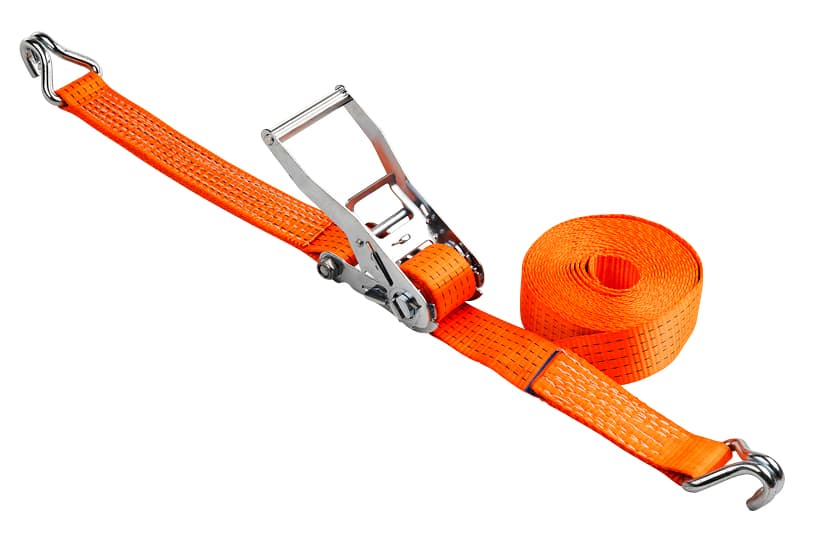
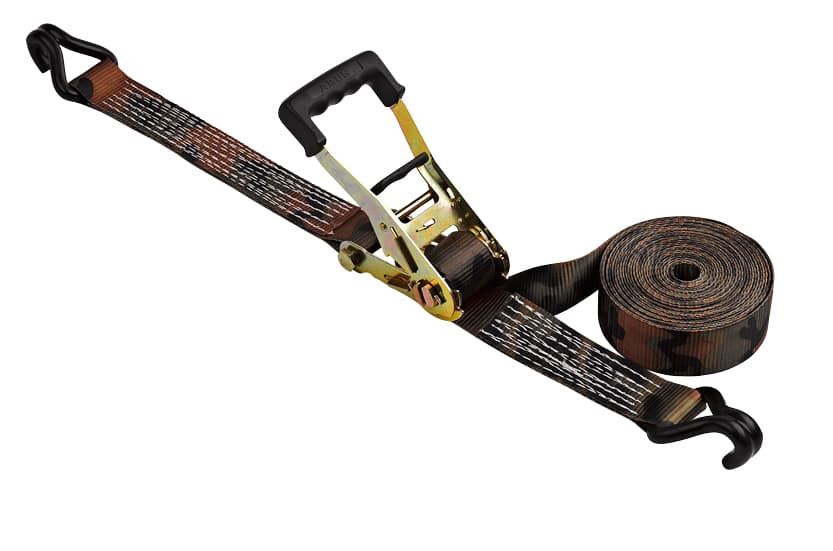
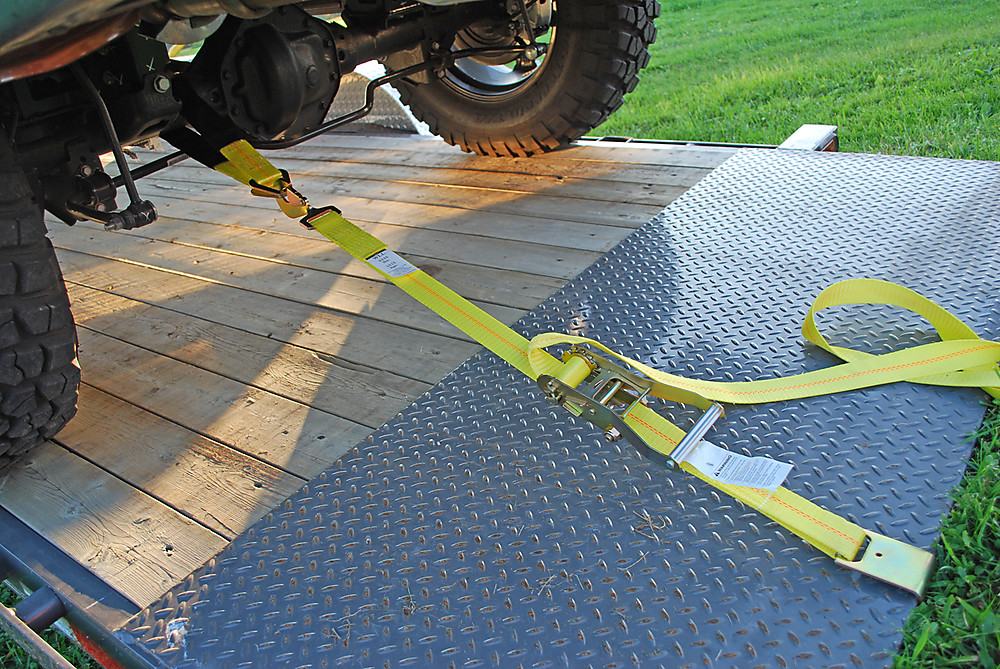
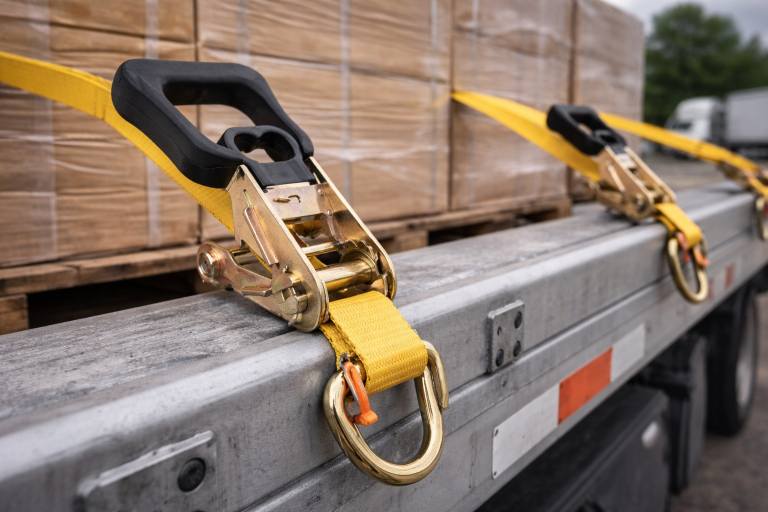
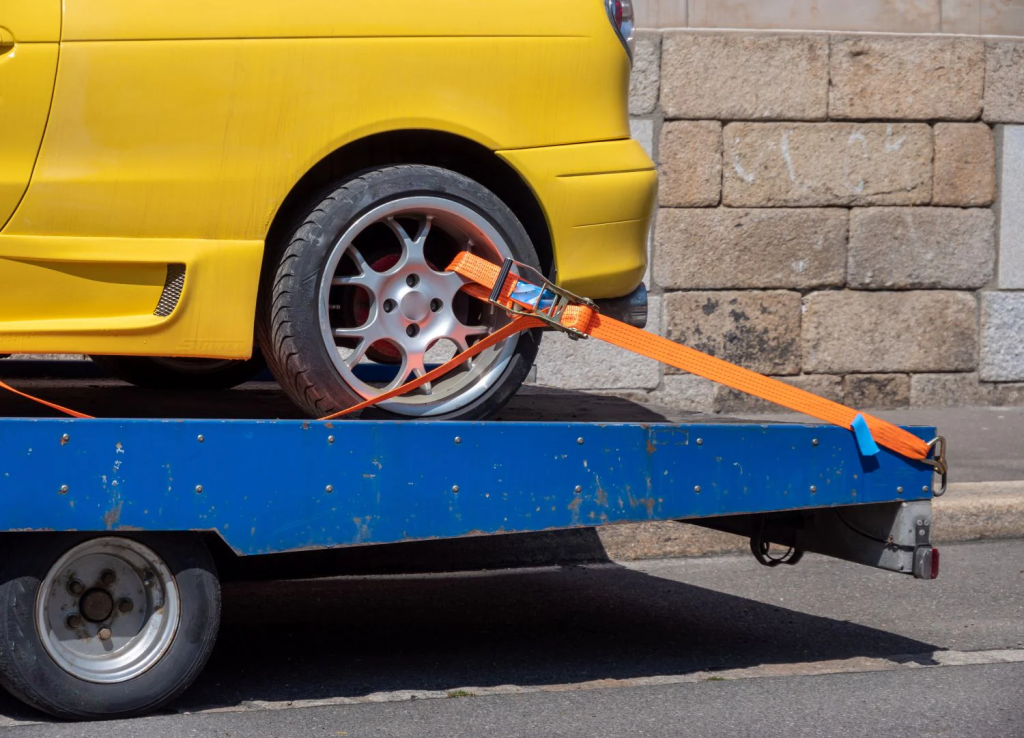
Truck drivers use ratchet straps or winch straps to secure cargo on flatbed trucks. Before tightening the straps, they twist them slightly. This twist changes the airflow around the strap, helping to prevent it from swaying and keeping it stable. Drivers typically choose ratchet straps with a load-bearing capacity greater than the weight of the cargo to prevent breakage. The width of the strap is also important. One-inch wide straps are suitable for light cargo, while four-inch wide straps are better suited for heavy cargo.
Some tools used for twisting straps include:
- Ratchet straps
- Windch straps
- Cam buckle straps
Tip: Ensure the strap is threaded through the ratchet in the correct direction for it to function properly.
When to Use the Twist Technique
The twist technique works best in certain situations. For example, drivers often use the twist technique when a flatbed truck is loaded with high cargo or when it’s windy. Twisting helps airflow, thus keeping the strap taut. In places like busy ports, twist locks ensure the safety of cargo during storage and transport. Automatic twist locks can lock containers without manual operation, thus playing an important role in busy locations.
| Situation | Description |
|---|---|
| Flatbed truck transport | Keeps loads steady and cuts down on shaking during highway trips. |
| Double stacking | Makes sure containers stay safe when stacked on a flatbed truck. |
| Rail transport | Special twist locks help carry more and keep double-stacked loads steady. |
Common Mistakes
People often make mistakes when tightening tie-down straps. Incorrectly threaded straps not only fail to secure goods effectively but also create safety hazards. Straps that are too tight or too loose can damage the straps or the goods. Drivers need to master the correct tightness of the tie-down straps. Failure to check for damage can lead to breakage. Regularly checking the tie-down straps helps prevent accidents.
| Mistake | Description |
|---|---|
| Improper threading through the ratchet | Makes the strap work poorly and puts the load at risk. |
| Over or under-tensioning issues | Can hurt the strap or load; balance is important. |
| Ignoring visible wear and damage | Can make the strap break; check straps often. |
Improperly secured cargo straps can pose a safety hazard. Over-winding reduces the straps’ strength. Insufficient straps can cause them to loosen and shift, leading to cargo movement. Tall cargo on flatbed trucks is more susceptible to wind damage, resulting in greater cargo movement.
Cargo Straps and Safety

Choosing High-Quality Cargo Ties
Choosing the right cargo ties is crucial for truck drivers. Strong cargo ties ensure cargo safety and help prevent accidents. Drivers should choose ties made of durable materials and ensure they have clear labels and reliable safety markings. Polyester webbing is the best choice because it is not easily stretched and can withstand harsh weather and friction. The Working Load Limit (WLL) must be matched to the weight of the cargo. Breaking strength indicates the maximum tensile force the ties can withstand before breaking. The table below lists the factors to consider when choosing cargo ties:
| Feature | Description |
|---|---|
| Material Strength | Polyester webbing is best because it stretches less, handles weather, and resists rubbing. |
| Load Capacity | Knowing the working load limit (WLL) is key for safety and following rules. |
| Safety Considerations | Breaking strength tells you if the strap can handle the needed force without breaking. |
Baoying cargo ties adhere to the following guidelines. They are made of high-strength polyester and feature a clear, legible WLL (Working Load Limit) label. Their ties are certified with ISO 9001, CE, and GS safety marks. These characteristics help drivers rely on these ties in a variety of operations. Specialized cargo ties are better suited for sharp corners, tall cargo, or special trucks.
Impact on Cargo Safety
Cargo ties are crucial for ensuring cargo safety. Twisted cargo ties cut through the air more effectively, preventing wind-induced swaying and maintaining tautness. Even if cargo is tall or oddly shaped, it remains in place. Twisted cargo ties reduce the risk of cargo movement. Studies show that improper tying can lead to accidents. Twisted ties help avoid these problems. Truck drivers should regularly check cargo ties to ensure they are taut and undamaged.
Industry Guidelines
Industry guidelines are designed to help drivers use cargo ties safely. Experts advise against excessive twisting of the webbing. Excessive twisting causes uneven stress on the straps, reducing their strength. Never knot the cargo straps. Knotting reduces the straps’ strength and may cause them to break prematurely.
During installation, do not excessively twist the webbing. Twisting causes uneven stress on the straps, reducing cargo security. Never knot the cargo straps, as knotting reduces their strength and may cause them to break prematurely.
Regulations stipulate that cargo straps must have a clearly marked Working Load Rating (WLL) label, strong polyester or nylon webbing, and hardware that complies with U.S. Department of Transportation (DOT) regulations. Manufacturers must test cargo straps at a tensile force of 2.5 times the Working Load Rating (WLL). Straps must be made with strong stitching and thread. The breaking strength should be three times the Working Load Rating (WLL). BAOYING straps comply with these regulations and provide DOT certification documentation. Drivers should always choose certified cargo ties to ensure a safe and secure hold.
Myths and Drawbacks of Twisting Cargo Ties
Risks of Over-Twisting
Many truck drivers believe that increasing the number of twists will always improve the performance of the ties. This idea can lead to problems. Over-twisting the ties creates weak points. These weak points reduce the strength of the ties. When the ties are twisted too many times, they may not be able to evenly distribute the load. Uneven pressure can cause the ties to slip or break. Drivers should only twist once or twice. This practice maintains the strength and safety of the ties.
Excessive twisting reduces the reliability of the ties. For most cargo, one or two twists are sufficient.
Common Misconceptions
Some people believe that twisting the ties will always make the cargo safer. This is not always the case. Twisting does not increase the working load limit. Twisting only helps reduce vibration and noise. It cannot replace proper tension or proper ties placement. Others believe that twisting can repair damaged ties. This is unsafe. Damaged ties should never be used, not even by twisting.
| Myth | Fact |
|---|---|
| More twists mean more safety | Too many twists weaken the strap |
| Twisting fixes bad straps | Damaged straps must be replaced |
| Twisting always needed | Some loads need flat straps for best hold |
When Should Not Twisting Be Done?
Twisting is not suitable for all situations. Some goods require flat straps to achieve maximum grip. For example, when securing wide or fragile items, flat straps distribute pressure evenly. In such cases, twisting may cause damage or reduce grip.
When twisting is not suitable, truck drivers can use other methods:
- The figure-eight wrap is suitable for long straps. This method prevents tangling and allows for quick and easy application.
- The sealed coil method helps with long-term storage. It keeps the strap flat and prevents twisting.
Drivers should check the type of cargo and the condition of the straps before deciding to twist the straps. They should always follow safety guidelines and choose the best method for each job.
Twisting straps helps drivers reduce vibration, noise, and strap damage. This ensures cargo safety and extends the life of the straps. Truck strapping is crucial for safe transport. Loose cargo can be dangerous. Industry standards specify the steps for the correct use of straps:
- Learn how to use strapping tools.
- Wear appropriate safety equipment.
- Choose the best strapping material.
- Regularly inspect tools and equipment.
- Tighten cable ties using the correct method.
- Ensure the ends of cable ties are securely fastened.
- Keep the work area clean.
- Use safe lifting and handling methods.
- Pay close attention to safety procedures.
- Help everyone prioritize safety.
Choosing certified products like Baoying helps improve transport safety. The table below lists the key advantages:
| Benefit | Description |
|---|---|
| Industry Certification | Shows the product meets safety standards. |
| Quality Validation and Performance | Gives proof the product works well. |
| Sample Testing | Checks how strong and tough the straps are. |
| Inspection Protocols | Uses both company and outside checks. |
FAQ
What are the main reasons truck drivers tighten straps?
Truck drivers tighten straps to reduce vibration and noise. This helps secure cargo and prevents the straps from wearing down. Tightening also makes cargo more stable during transport.
How many turns should a driver tighten the straps?
Drivers typically tighten them one to two turns. Over-tightening weakens the straps and reduces cargo security. For most cargo, one turn is usually sufficient.
Can twisting straps help secure the load on sharp-edged cargo?
Twisting straps can protect them from rubbing against sharp edges. This helps secure the load and keeps straps in good condition. Drivers should check cargo securement equipment for damage before use.
Does tightening straps help secure cargo with sharp edges?
Tightening straps does not increase the working load limit. Tightening simply helps reduce vibration and noise. Flat straps provide the greatest cargo securing strength.
What types of cargo require flat straps instead of tightened straps?
Large or fragile goods require flat straps. Flat straps distribute pressure evenly across the goods. Twisted straps may damage the goods or reduce their securing power.