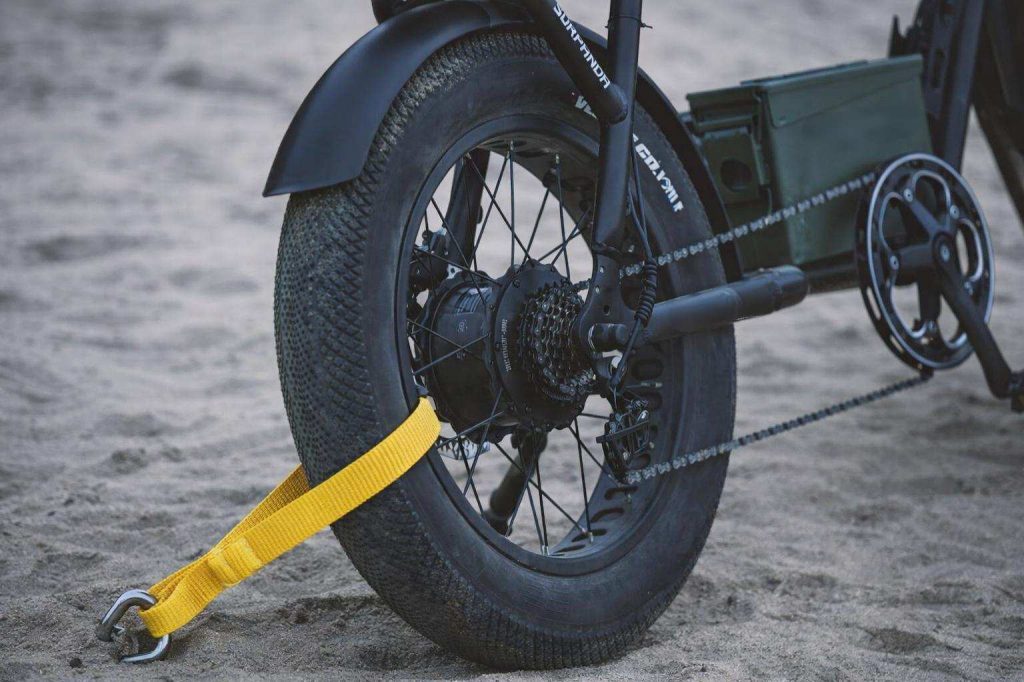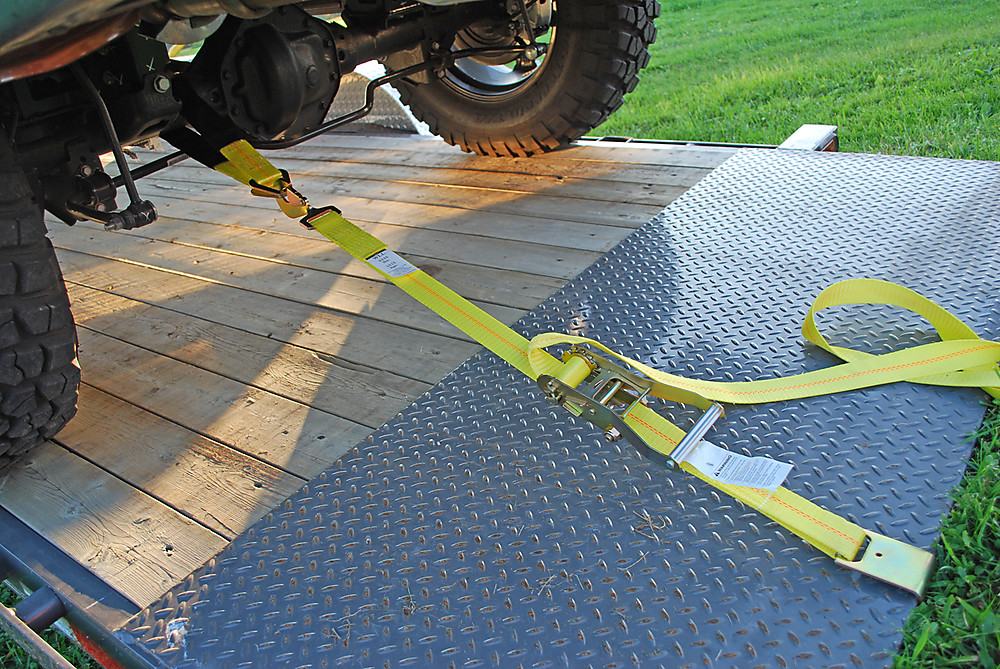
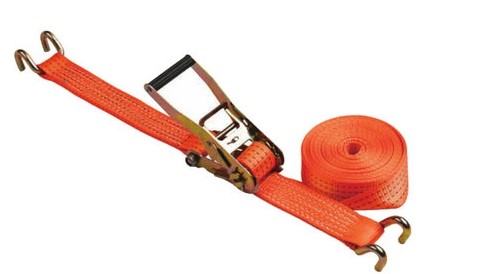
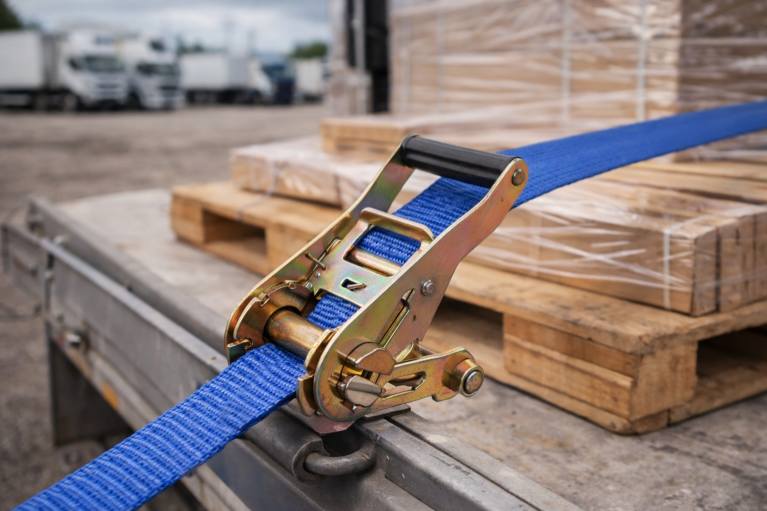
Ratchet straps consist of many components. These components include a handle, ratchet mechanism, webbing, fixed end, adjustable end, tensioning device, hooks or end fittings, axle, release lever, and overall length. Each component has its own function, working together to ensure the effective operation of the ratchet strap. Understanding the names of these components will help you choose the right ratchet strap and ensure safe use. The webbing plays a crucial role in securing goods; it connects with other components to provide strong support.
Key Takeaways
- Understand the main components of a ratchet strap. These components include a handle, ratchet mechanism, webbing, fixed end, adjustable end, tensioning device, hooks, axle, release lever, and overall length.
- Choose a ratchet strap with an easy-to-grip handle. This will provide a more stable and comfortable grip, even during prolonged use.
- Select the appropriate webbing width based on the weight of the goods. This ensures the safety of the goods and allows the strap to perform at its best.
- Use the release lever to quickly loosen or remove the strap. This helps you safely remove the ratchet strap after securing the goods.
- Please regularly inspect the ratchet belt for damage or wear. This helps ensure safety when handling goods.
Parts of a Ratchet Strap Called
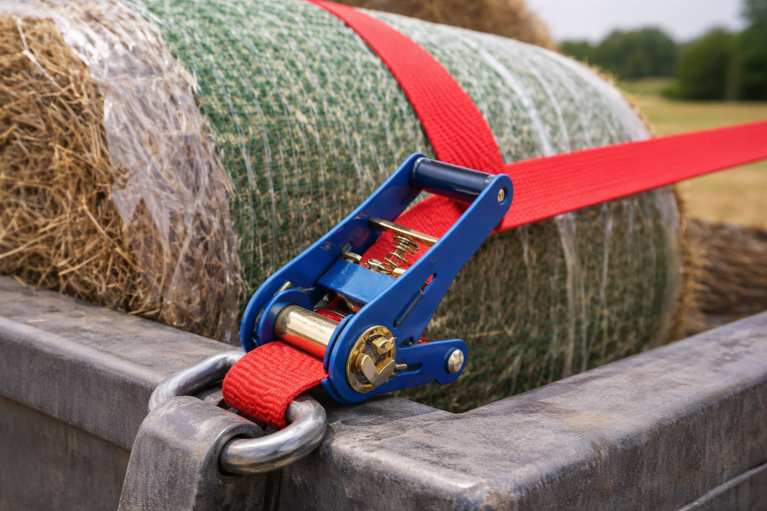
Handle
The handle is where you grip the ratchet belt. A good handle allows you to easily tighten or loosen the ratchet belt. Many handles are ergonomically designed to keep your hands comfortable and less fatigued, even during extended use. Some handles, such as those on the Baoying ratchet belt, make it easier to tighten the ratchet belt.
Tip: Ergonomic handles can prevent hand pain, making it easier to use the ratchet belt for extended periods.
Ratchet Mechanism
The ratchet mechanism is the most important component of the ratchet belt. It allows you to tighten the ratchet belt and prevent it from slipping. This component consists of many small parts that work together to generate tension and prevent slippage.
The table below shows the main components of the ratchet mechanism and their functions:
| Component | Function |
|---|---|
| Ratchet Wheel | A toothed wheel that turns only one way |
| Pawl | A lever that stops the wheel from going backward |
| Spring | Keeps the pawl locked with the teeth |
| Lever/Handle | Lets you turn the ratchet by hand |
| Housing/Casing | Holds and protects the mechanism |
Webbing (Strap)
Webbing is a strong, flat fabric wrapped around cargo and is a major component of ratchet straps. Most ratchet straps use polyester webbing because it is strong, durable, not easily stretched, and can withstand harsh weather and friction.
The width and strength of the webbing determine the load-bearing capacity of the ratchet strap.
The table below lists common webbing sizes and their load-bearing capacities:
| Strap Width | Breaking Load |
|---|---|
| 1-Inch | 0.8 – 1.5 tons |
| 2-Inch | 2 – 5 tons |
| 3-Inch | 8 tons |
| 4-Inch | 10 tons |
Fixed End
The fixed end is the part of the ratchet belt that is always connected to the ratchet mechanism. It does not move when the belt is tightened. This end usually has a hook or fitting for securing it to an anchor point. The fixed end provides stable support for the rest of the belt.
Adjustable End
The adjustable end is the movable end of the ratchet belt. Passing this end through the ratchet mechanism allows you to adjust the length and tension of the belt. The adjustable end helps the belt accommodate goods of different sizes. It works in conjunction with the fixed end to ensure the goods are securely held in place.
Tension Device
The tensioning device is the part of the ratchet belt used to generate and maintain tension. In most ratchet belts, the ratchet mechanism itself is the tensioning device. It locks the webbing in place, ensuring the safety of the goods. The tensioning device prevents the belt from slipping when moving goods.
Hook or End Fittings
Hooks or end fittings are used to attach the ratchet belt to anchor points on a car or trailer. There are many types of hooks and fittings, each with its specific purpose.
The following table lists the common types and their uses:
| Type of Hook | Description | Typical Applications |
|---|---|---|
| Swan Hook | For holding heavy loads | Heavy cargo in Australia, New Zealand |
| Flat Hook | Strong and can be used many ways | USA, Canada, Japan, South America |
| S Hook | Good for heavy-duty jobs | UAE, USA, Canada, Japan, South Korea |
| Closed Double J Hook | Used for moving things in many places | Europe, South America, Asia |
| Open Double J Hook | Good for big loads | UAE, USA, Canada, Europe, South Korea |
| Single J Hook | Simple and works for many things | UAE, USA, Canada, Europe, Japan |
| Triangle Ring | Good for heavy-duty jobs | UAE, USA, Canada, Saudi Arabia |
| E Hook | Works well for high tension | UAE, USA, Canada, Europe, Japan |
| Flat Safety Hook | Good for holding loads in place | UAE, USA, Canada, Europe, Asia |
| D Ring with Special End | Useful for many jobs | UAE, Africa, Asia, USA, Canada, Philippines |
| Cam Buckle | Quick to open for lighter loads | Worldwide |
Shaft (Main Shaft)
The shaft, also known as the main shaft, is a metal rod inside the ratchet mechanism. When the handle is turned, the webbing wraps around the shaft, tightening the straps and ensuring the safety of the goods.
| Component | Function/Material Description |
|---|---|
| Axle/Spindle | Lets the webbing wrap around it and get tight when you turn the ratchet handle. |
| Polyester Webbing | Is strong, does not stretch much, and can handle weather and rubbing, so it is great for holding loads. |
Release Lever
The release lever is a small handle or pull tab on the ratchet mechanism. Pressing it unlocks the ratchet, allowing you to easily loosen or remove the strap. The release lever helps you unload goods quickly and safely.
Overall Length
The total length refers to the length of the ratchet strap when fully extended. This dimension is crucial because it determines whether the strap can wrap around the goods and reach the anchor point.
- When measuring the total length, measure from one end to the other.
- The appropriate length ensures that the ratchet strap can carry goods of different sizes.
- Choosing the right length ensures the safe handling of goods during transport.
All components of the ratchet strap work together to form a robust and secure securing device. Each component of BAOYING is meticulously manufactured to ensure quality and safety, which is why its ratchet straps are trusted by many handling personnel.
Functions of Ratchet Straps
Handle Function
The handle allows the user to control the ratchet belt. It facilitates easy tightening and loosening. The ergonomic handle improves grip comfort, allowing easy operation of the ratchet mechanism even while wearing gloves. Some handles feature a retractable design, facilitating quick adjustments and preventing tangling. This design also protects the webbing from damage and extends the ratchet belt’s lifespan.
- Ergonomic handles improve comfort and grip.
- Retractable handles save time and reduce tangling.
- Sturdy handles protect the strap and help secure goods.
Ratchet Mechanism Function
The ratchet mechanism is the core component of the ratchet belt. It allows the user to apply tension and maintain the strap’s tautness. This mechanism uses a gear system and pawls to hold the strap in place. This prevents the strap from slipping or loosening during transport.
| Component | Function |
|---|---|
| Handle | Used to apply force to tighten the strap. |
| Gear system | Pulls the strap tighter around the cargo. |
| Pawl | Stops the strap from loosening by preventing back-rotation. |
Webbing Function
Webbing is a flat, strong fabric used to wrap goods. It securely holds the goods and prevents stretching. The webbing in a tie-down strap must be strong enough to withstand heavy loads and harsh environments.
Fixed End Function
The fixed end connects to the ratchet mechanism and does not move during tightening. This end provides a stable anchor point, ensuring the tie-down strap is firmly secured.
Adjustable End Function
The adjustable end passes through the ratchet mechanism, allowing the user to adjust the length to accommodate different goods. This end makes the ratchet tie-down strap suitable for goods of various sizes.
Tensioning Device Function
The tensioning device (usually the ratchet mechanism) generates and maintains the tension of the tie-down strap. It locks the webbing in place, ensuring the goods are securely held during transport.
Hook/End Function
Hooks or ends connect the ratchet tie-down strap to the anchor point. They come in various shapes for different applications. These accessories ensure the tie-down strap is securely fastened to the vehicle or trailer.
Shaft/Axle Function
The shaft or axle is located inside the ratchet mechanism. When the handle is turned, the webbing wraps around it. This component helps tighten the strap and prevents it from slipping.
Release Lever Function
The release lever allows the user to loosen or remove the strap. It can safely unlock the ratchet mechanism. Some release levers include safety devices, such as pins, to prevent accidental release under load.
Measuring Total Length
Measuring the total length of the ratchet strap is crucial for selecting the appropriate size. Please follow these steps:
- Measure the length, width, and height of the load.
- Check the distance from the load to the anchor point.
- Consider the type of load and the method of securing it.
- Select the appropriate strap length for the binding method.
Choosing the appropriate length ensures the ratchet strap can wrap around the cargo and the anchor point.
Ratchet Strap Quick Reference Table
The table below helps you quickly locate the various components of a ratchet strap and explains the function of each component. This guide is for anyone who wants to use, buy, or talk about ratchet straps with confidence.
| Part Name | Function Description |
|---|---|
| Handle | Allows the user to grip and operate the ratchet straps. |
| Ratchet Mechanism | Creates tension and locks the strap in place. |
| Webbing (Strap) | Wraps around cargo and holds it securely. |
| Fixed End | Stays attached to the ratchet mechanism for stability. |
| Adjustable End | Threads through the ratchet mechanism for length change. |
| Tension Device | Maintains tightness and prevents loosening. |
| Hook/End Fittings | Connects the strap to anchor points on vehicles. |
| Axle (Spindle) | Lets webbing wrap and tighten as the handle turns. |
| Release Lever | Unlocks the ratchet mechanism for easy removal. |
| Overall Length | Measures the full length to fit around cargo. |
Tip: Understanding these components will help you choose the right ratchet strap for any job. It will also help you explain your needs or problems to your supplier.
A ratchet strap consists of several parts that work together to secure your goods. The handle controls the strap. The ratchet mechanism tightens the strap. The webbing wraps around the goods and secures it in place. The fixed end remains stationary, while the adjustable end adjusts the length. The tensioning device keeps the strap taut. Hooks or end fittings connect the strap to anchor points. The axle helps tighten the strap, while the release lever makes it easy to remove it. The overall length ensures the strap fits perfectly around your goods.
Every BAOYING ratchet strap is made with robust materials and high-quality components. Their straps are suitable for a variety of handling methods. You can rely on BAOYING ratchet straps to ensure the safety of your goods on every trip.
Understanding the main components of a ratchet strap will allow you to use it safely. These components include the handle, ratchet mechanism, webbing, and end fittings. Using the correct terminology helps drivers and transport personnel communicate better, making cargo transportation more convenient.
- Using the correct terminology helps people understand the load-bearing capacity of the straps.
- Good communication ensures cargo safety and reduces the risk of accidents.
If you understand ratchet straps, you can use them more safely and comply with relevant government regulations. Regularly checking the straps and using two straps simultaneously can effectively prevent accidents. Baoying provides strong and durable straps for customers who prioritize safety and high quality.
FAQ
What is the difference between the fixed end and the adjustable end?
The fixed end connects to the ratchet mechanism. The adjustable end passes through the ratchet mechanism and allows adjustment of the strap length. Both ends work together to secure the cargo.
How does the release lever work?
The release lever is used to unlock the ratchet mechanism. Pressing the release lever releases the strap, allowing for quick and safe removal from the cargo.
Can ratchet straps be used on motorcycles?
People use ratchet straps to secure motorcycles during transport. The straps securely hold the motorcycle in place, preventing it from moving. Always check the load-bearing capacity of the straps before use.
How to measure the length of a ratchet strap?
Measure the length of the ratchet strap from one end to the other. This length determines whether the strap can wrap around the goods and reach the anchor point.
What are most ratchet straps made of?
Manufacturers typically use polyester webbing to make ratchet straps. This material is tensile strong, has a high load-bearing capacity, and can withstand various weather conditions.