Tied-up straps are strong straps used to secure goods during transport. They prevent goods from shifting or falling, thus protecting both goods and people. Accidents can occur if goods are not properly secured. Many industries use different types of tied-up straps depending on their needs. Ratcheted straps offer strong locking force and are very safe. Cam buckle straps are more affordable and easier to use. Over-the-center straps provide a secure hold and are versatile.
Key Takeaways
- Lashing belts are crucial for ensuring the safety of goods during transport. They prevent goods from shifting, thus preventing accidents. When choosing the right tied-up straps, consider their load-bearing capacity, material, and intended use. This helps ensure everyone’s safety. Regularly inspect the straps for signs of damage or wear to ensure they are functioning properly and safely. Always use the correct method when securing goods. Ensure even tension and use secure anchor points. Check for certifications such as ISO 9001 and CE. These certifications indicate that the tied-up straps are of good quality and safe to use.
Lashing Belt Features
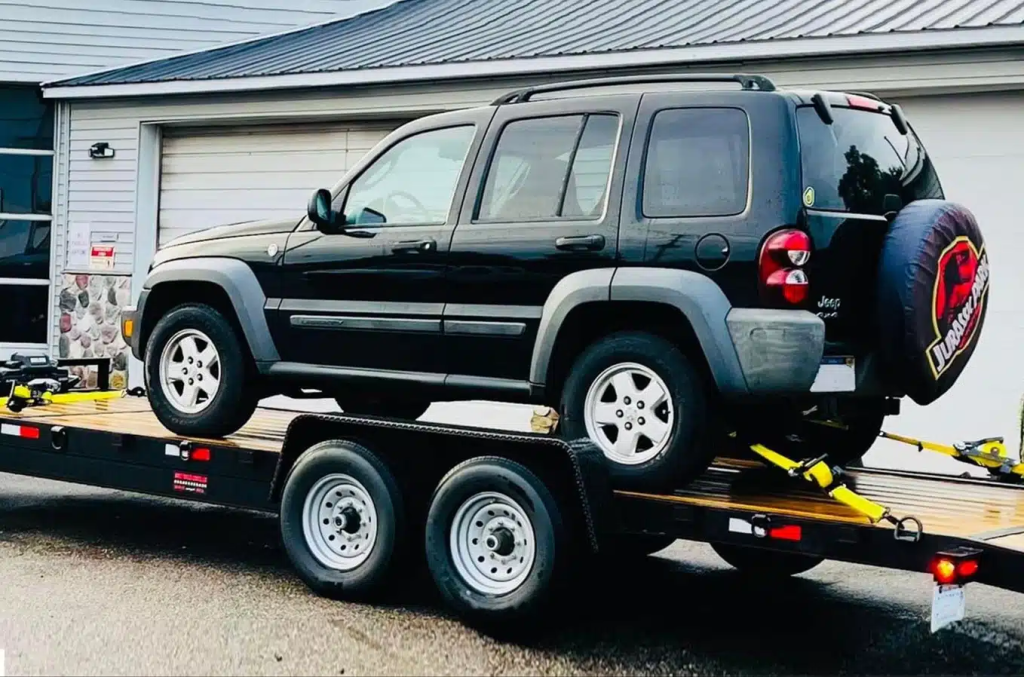
Materials and Durability
Most binding straps are made of high-strength polyester fiber. This material is tough, durable, and meets safety standards. Polyester fiber is not easily stretched and is waterproof and sun-resistant; these properties help the binding straps remain secure in harsh environments. Many companies choose polyester fiber over steel straps or chains because it is lighter, easier to use, does not rust, and has a longer lifespan.
Baoying is known for producing high-quality products. The company uses new materials and maintains strict quality control. Every binding strap has important certifications such as ISO 9001, CE, and GS. Baoying also offers customization options to meet specific needs.
Design and Adjustability
The binding straps are suitable for a variety of goods. You can adjust the length to accommodate different loads. The ratchet mechanism makes the binding straps very tight and secure. The seamless construction means that a single binding strap can adapt to various shapes and sizes.
| Feature | Description |
|---|---|
| Endless Construction | Makes it easy to adjust and use for many load shapes. |
| Ratchet Mechanism | Gives strong and safe tension, holding cargo tightly. |
| Adjustable Length | Lets you use the belt for many load sizes. |
Each type of strapping has its own advantages. Ratchet straps ensure cargo security even under shaking. Cam-lock straps are quick to use and won’t overtighten. Over-center straps are fast to operate and keep cargo secure.
Load Capacity
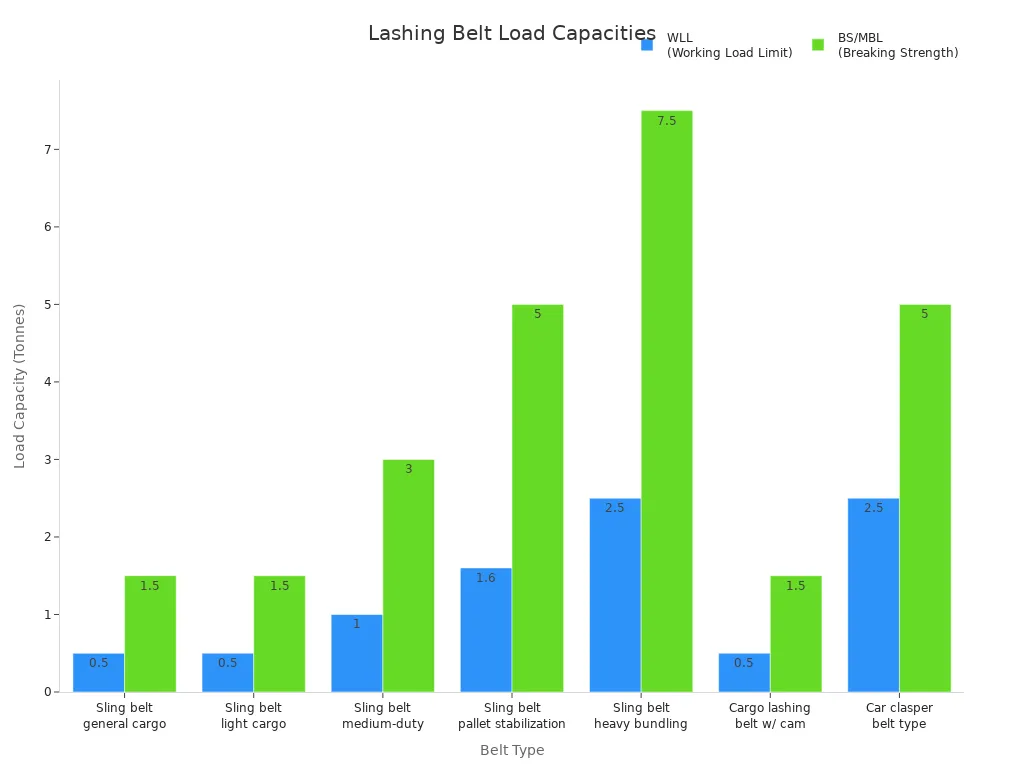
Strappings need to be selected according to different operational requirements to determine their appropriate load capacity. Width, length, and material determine their load-bearing capacity. Polyester strappings come in a variety of sizes. Some are smaller and suitable for light packages; others are larger and suitable for heavy cargo. The table below lists common types and their commonly used working load limits and breaking strengths:
| Description | Width | Length | Material | Typical Application | WLL (Typical) | BS/MBL (Typical) |
|---|---|---|---|---|---|---|
| Sling belt polyester, general cargo | 25mm | 1m | Polyester | Securing small packages internally | 0.5T | 1.5T |
| Sling belt polyester, light cargo | 25mm | 2m | Polyester | Bundling lightweight cargo | 0.5T | 1.5T |
| Sling belt polyester, medium-duty | 35mm | 1m | Polyester | Medium-duty securing | 1T | 3T |
| Sling belt polyester, pallet stabilization | 50mm | 1m | Polyester | Stabilizing pallets | 1.6T | 5T |
| Sling belt polyester, heavy bundling | 75mm | 1m | Polyester | Bundling pipes or timber | 2.5T | 7.5T |
| Cargo lashing belt w/ cam buckle | 25mm | 3m | Polyester | Fastening luggage | 0.5T | 1.5T |
| Car clasper belt type | 25/38/50mm | 2–5m | Polyester | Securing vehicles on deck | 0.4T-2.5T | 1.5T-5T |
| Liferaft lashing belt | 50mm | 6m | Polyester | Securing liferafts | 0.4T-1T | 1.5T-5T |
Certification is crucial for safety and trust. Baoying’s products meet top standards such as GS, TUV, CE, EN 12195-1/2, and ISO 9001. These certifications demonstrate that each strapping can withstand its nominal weight and is safe and reliable.
Note: Always check the working load limit of strapping before use. Choosing the right strapping ensures the safety of goods and personnel.
Applications of Strapping

Transportation and Logistics
Many companies use lashing straps to secure goods. These straps prevent goods from moving on trucks, trains, and ships. They also play an important role in warehouses. The table below shows how lashing straps are used in different industries:
| Sector | Application Description |
|---|---|
| Marine Industry | Lashing belts hold containers and machines on ships. They keep things from moving while the ship travels. |
| Road & Rail Transport | They stop cargo from sliding in trucks and trains. This lowers accident risks and keeps goods safe. |
| Warehousing & Logistics | Lashing belts keep items steady in storage. They help bundle odd-shaped things and secure pallets. |
| Industrial Applications | They hold special equipment during work or shipping. This is important in places like aerospace and construction. |
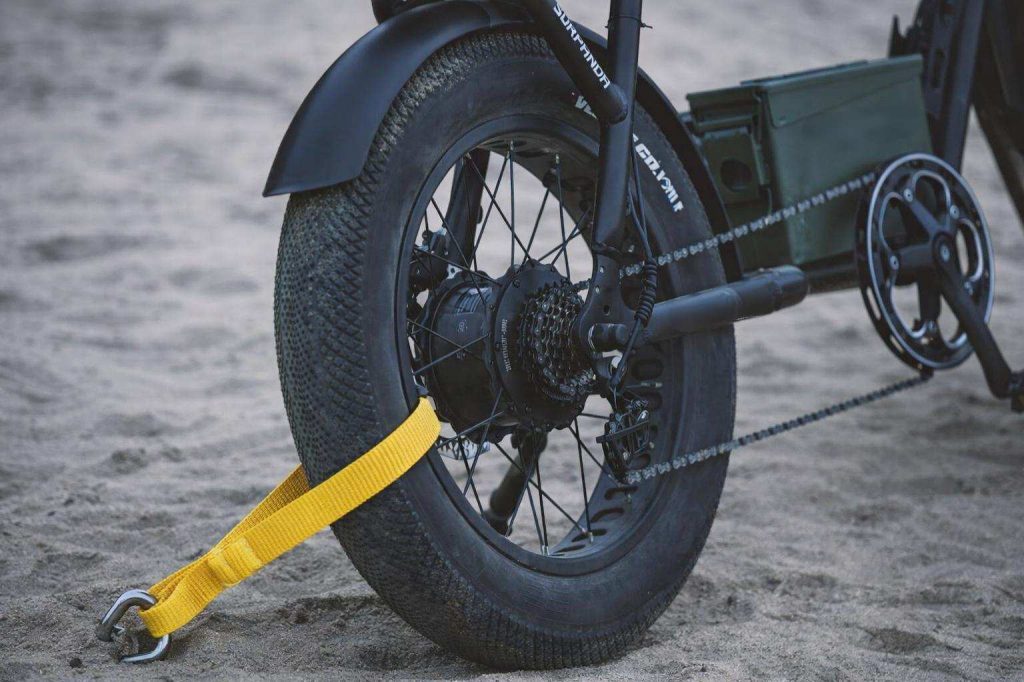
Baoying manufactures tie-down straps for trucks, ships, and motorcycles. These straps help keep cargo stable and secure. Strong and durable, they firmly secure goods. Compared to chains, they are lighter and faster. Widely used in the transportation industry due to their applicability to a variety of cargo types.
Proper use of tie-down straps ensures the safety of goods during transportation.
Industry and Construction
Tie-down straps are used in many operations at factories and construction sites. Workers use them to secure machinery, pipes, and building materials. The table below lists the different types of tie-down straps and their uses:
| Type of Lashing Belt | Application |
|---|---|
| Polyester Sling Belts | Used for holding general cargo |
| Cargo Lashing Belts w/ Cam Buckle | Good for quick and safe light loads |
| Ratchet Tie-Down Straps | Best for heavy and important loads |
| Specialized Belts | Used in boats and cars |
BAOYING’s strong binding straps are perfect for these jobs. From small loads to large machinery, workers can choose the right binding strap for different tasks.
Home and Recreation
Binding straps are used both at home and outdoors. They help organize garages and secure items on trailers. They also keep equipment safe on camping trips. Many outdoor enthusiasts use these binding straps while camping and hiking. Boy Scouts also use them to build small bridges and other structures.
- Organizing Storage Rooms and Workshops
- Securing Loads on Trailers and Trucks
- Building Outdoor Games or Camping Equipment
Prowin’s binding straps are perfect for these uses. They are easy to use and strong enough to handle many home and outdoor tasks.
How Lashing Belts Work
Mechanism and Function
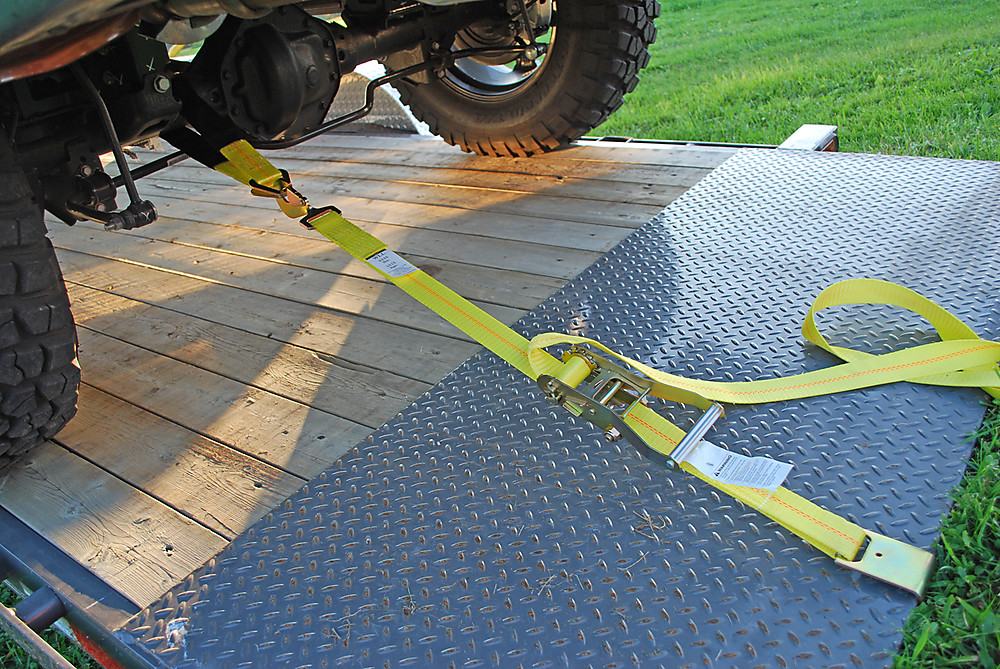
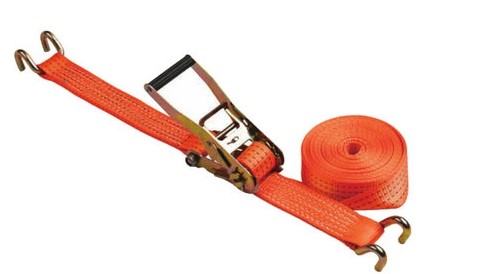
Binding straps use a simple system to secure loads. Their primary purpose is to generate strong tension to keep items in place. The ratchet mechanism is popular because it allows people to tighten binding straps easily and safely. The ratchet system works as follows:
- The webbing is inserted into the ratchet axle slot.
- The user pulls the webbing tight, eliminating slack.
- Move the ratchet handle downwards to tighten the belt.
- Each time the ratchet is moved, the ratchet gear locks the webbing.
- Close the ratchet handle to secure the goods in place.
These steps ensure the belt remains taut and does not slip. Even if the vehicle moves or shakes, the belt remains firmly in place. The tension generated by the ratchet prevents the goods from shifting, thus helping to prevent accidents and damage.
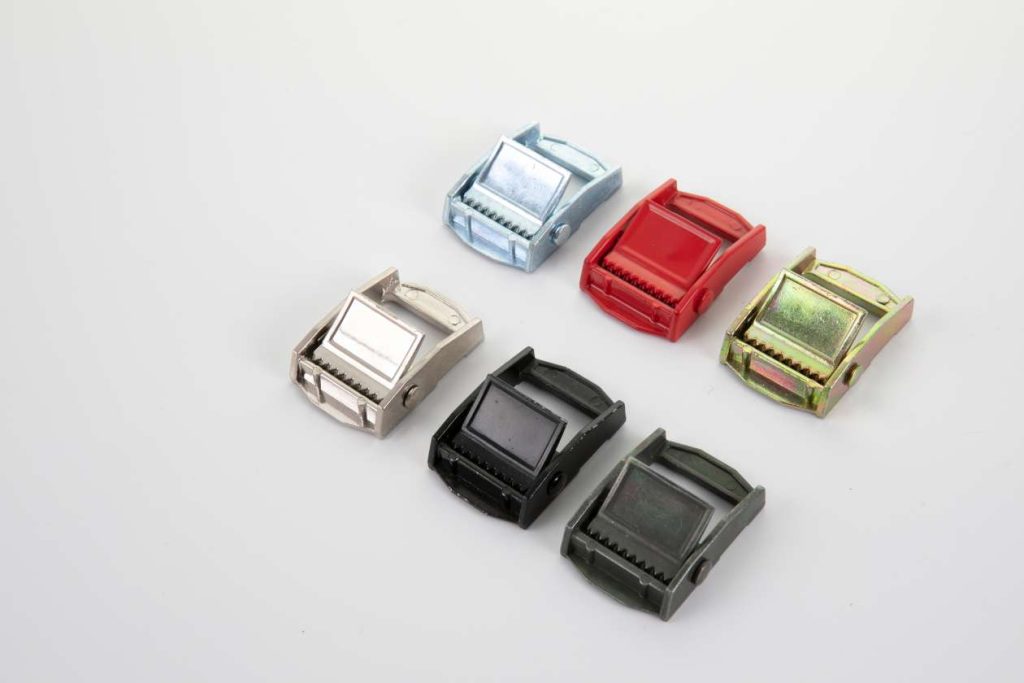
Cam buckles work on a slightly different principle, but equally ensure safety. Cam buckles are made of Q235 steel and plated with a white zinc coating. This strong metal will not rust and gives the buckle strong tension, keeping the webbing taut. When the user presses the cam lever, the gears engage the webbing, preventing it from slipping. This design ensures the goods remain stable during transport.
Belt Buckle Types
Different types of belt buckles are suitable for different work situations. Each belt buckle has its specific function for a particular situation.
| Buckle Type | Best Use | Key Feature |
|---|---|---|
| Ratchet Buckle | General cargo | High tension, secure hold |
| Cam Buckle | Light to medium loads | Quick release, easy to use |
| Over Center Buckle | Versatile applications | Fast tightening, compact |
| Ergo Ratchet Buckle | Heavy-duty cargo | Ergonomic, stronger tension |
Wherever used, straps with the right straps ensure the secure hold of every shipment.
How to Choose the Right Straps
Selection Factors
Choosing the right straps ensures the safety of your cargo. Several factors need to be considered before purchasing. The table below lists the important points to check:
| Factor | Description |
|---|---|
| Strength | Makes sure the belt can hold the cargo weight. |
| Durability | Shows how long and well the belt will last. |
| Material | Polyester, nylon, and polypropylene have different strengths and resistance. |
| Weight of Cargo | The belt must match how heavy the cargo is. |
| Dimensions | Width and length should fit the cargo and securing needs. |
| Compliance | The belt must meet safety rules for transport. |
| Certifications | Look for EN 12195-2, GS, and CE marks for quality. |
| End Fitting Compatibility | Fittings must match anchor points on vehicles or boats. |
| Transport Conditions | Humidity, temperature, and sunlight affect which material to pick. |
Polyester is suitable for wet or outdoor environments. It maintains its strength even in wet conditions and blocks sunlight and chemicals. Nylon is more absorbent and its strength decreases when wet, making it more suitable for dry environments.
Purchase Tips
Some buyers make mistakes when choosing ties. The following tips can help you avoid problems and ensure safety:
- Always check the working load limit, not just the breaking strength.
- Inspect the ties for damage or wear before use.
- Choose the appropriate ties for different types of goods. Do not use the same ties repeatedly.
- Do not overtighten. This can damage the ties and the goods.
- Don’t buy just because it’s cheap. High-quality ties last longer and provide better protection for your goods.
- Look for products with clear safety labels and certifications, such as EN 12195-2, GS, or CE.
- Choose the appropriate ties width and length based on the size of your goods and the required tensile strength.
- Ensure the end fittings are compatible with your vehicle or anchor point.
Correct Usage Procedures
Proper Use Steps
Securing cargo with lashing straps requires careful handling. Following the correct procedures helps ensure the safety of cargo during transport.
- Position the cargo and prepare anchor points. Place the cargo in the center of the vehicle or trailer. Find sturdy anchor points to secure the lashing straps.
- Connect and tighten the lashing straps. Hook one end onto the anchor point. Wrap the lashing strap around the cargo. Pass the other end through the ratchet or cam buckle.
- Add anchor points as needed. For large or irregularly shaped items, use more lashing straps and anchor points.
- Tighten and lock the lashing straps. Tighten the lashing straps. Lock the ratchet or cam buckle. Ensure the lashing straps are evenly tensioned and the cargo does not shift.
Safety Precautions
Safe use of lashing straps protects people and cargo. Improper handling can lead to accidents or damage.
- Always check the lashing straps for cuts, tears, or abrasions before use.
- Never exceed the working load limit. Straighten the binding strap and apply corner protectors to the sharp corners.
- Wear gloves and safety goggles when handling binding straps.
- Do not use damaged or worn binding straps.
- Check the strength and stability of the anchor points.
- Avoid knotting or twisting the binding straps.
- Do not mix different types or conditions of binding straps.
Maintenance
Proper maintenance extends the lifespan and maintains the reliability of the binding straps.
- Inspect the binding straps for damage, especially at contact points.
- Check that the ratchet rotates smoothly and locks securely.
- Inspect the hooks and fittings for bends or cracks.
- Clean the binding straps with mild soapy water. Avoid using harsh chemicals.
- Let the binding straps dry completely before storing.
- Store in a cool, dry place, away from direct sunlight.
- For long-term storage, remove the webbing from the ratchet.
- Lubricate the ratchet components as needed.
- Store the binding straps in a dedicated bag or container to prevent tangling.
- Keeping the binding straps clean and dry helps prevent mold and damage.
Cable ties are crucial for the safety of transporting goods. High-quality cable ties offer numerous lasting benefits:
- They prevent goods from shifting or being damaged, thus ensuring their safety.
- They can withstand heavy loads without breaking.
- They are suitable for a wide range of industries.
- They meet safety regulations.
- They are durable and easy to maintain, thus saving costs.
Choosing a trustworthy brand and taking safety precautions ensures the safety of goods and people. Reliable cable ties make every shipment safer.
FAQ
What are the main uses of binding straps?
Binding straps are used to secure goods during transport, preventing items from shifting or falling. This tool protects goods and helps prevent accidents.
How does a ratchet mechanism work?
A ratchet mechanism consists of a handle and gears. The user tightens the binding strap and then turns the handle to lock the tension. This system securely fastens goods.
Can binding straps be used outdoors?
Yes. Binding straps made of polyester are waterproof and sun-resistant, making them ideal for outdoor operations such as securing boats, motorcycles, or camping equipment.
Which certifications should buyers look for?
Buyers should look for certifications such as ISO 9001, CE, GS, and EN 12195-2. These marks indicate that the binding straps meet safety and quality standards.