A slide buckle belt is a type of belt that uses a special sliding mechanism to adjust its tightness. It is also commonly referred to as:
- Slide Buckle
- Friction Buckle
The unique feature of this type of belt is that it does not require eyelets. The belt buckle slides along the leather strap and locks in place, making it easy to adjust the tightness. Many people choose this type of belt because it is both stylish and practical for everyday life.
Key Takeaways
- Slide buckle belts are easy to adjust, require no eyelets, and fit any waist size. Friction or ratchet locking systems securely fasten the belt, ensuring a secure and stable fit. It is suitable for casual wear and outdoor activities. Slide buckle belts are made of leather, canvas, or nylon, each material offering its own unique style and strength. This type of belt is comfortable to wear, and you can make fine adjustments to prevent it from becoming too tight or too loose. People use slide buckle belts every day; they are also commonly used for uniforms and securing cargo. This demonstrates their versatility and suitability for various occasions.
What Is a Slide Buckle Belt?
What Is a Slide Buckle Belt
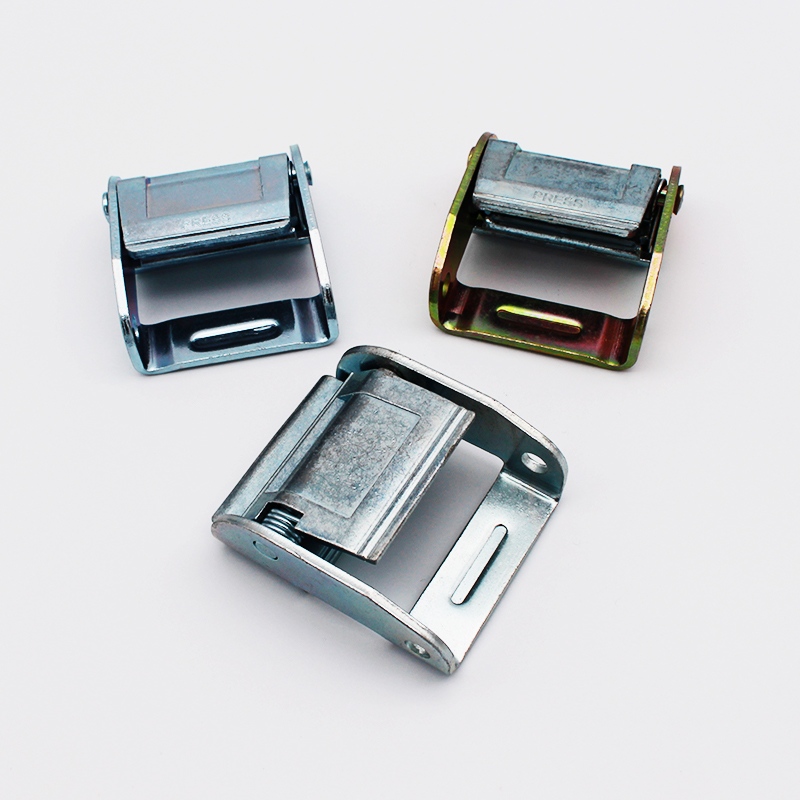
A sliding buckle belt is a type of belt that uses a sliding component to adjust its tightness. It is also known as a friction buckle, ratchet belt, or sliding buckle belt. Unlike regular belts, this type of belt does not have holes. The belt passes through a special buckle. The buckle secures the belt by squeezing the belt.
A friction buckle is very simple. It has no moving parts or pins. It is simply a frame with one or more slots. You thread the belt through the slots. The belt presses against the frame, preventing it from slipping. This type of buckle is primarily used in casual canvas or cloth belts. It is also used in most military belts.
Sliding buckle belts are easy to adjust. You can easily adjust the tightness without searching for holes. This makes it ideal for everyday use and also suitable for uniforms or outdoor gear.
Main Function and Design
The primary function of a sliding buckle belt is to secure trousers or clothing. It also allows for tightness adjustment. The belt is made of fabric, leather, or webbing. The buckle has slots or tracks. The belt is threaded through the buckle. The buckle secures the belt through friction or a ratchet system.
Slip-on belt buckles have evolved over time. The table below shows the historical use of different belt buckles:
| Buckle Type | Description | Era/Period |
|---|---|---|
| Frame-style buckles | The oldest kind, with a prong that goes through a hole in the belt. | 8th century and earlier |
| Plate-style buckles | Used on military belts, with a three-hook clasp. | Mid-19th century |
| Box-frame buckles | A style from the 1900s, made of three parts to stop mistakes. | 20th century |
| O-Ring/D-Ring buckles | Uses rings to close the belt, seen in braided and webbing belts. | Various |
| Quick-release buckles | Comes in many forms, often used on webbing gear. | Various |
| Knurled bar/Roll-pin | Used on cargo straps, can be made any length. | Various |
| Snap/Side release | Has two ends that snap together, good for outdoor activities. | Various |
| Ratchet buckles | A newer style that lets you make small changes, became popular in the late 1900s. | Late 20th century |
The slide buckle belt stays tight using different ways. The table below explains these ways:
| Principle | Description |
|---|---|
| Mechanical Locking | A pin goes through a hole, making a strong lock that does not slip. Used in most men’s dress belts. |
| Friction Locking | Uses pressure to hold the strap, so there are no holes. You can adjust it to any size. Common in D-Ring or O-Ring buckles. |
| Ratchet Locking | A pawl moves on a track and lets you make small changes. You can pick from many sizes for a perfect fit. |
Slip-on harnesses typically use friction locking or ratchet locking. These methods allow you to adjust the harness length as needed, making it comfortable and practical.
How It Works
Sliding Mechanism Explained
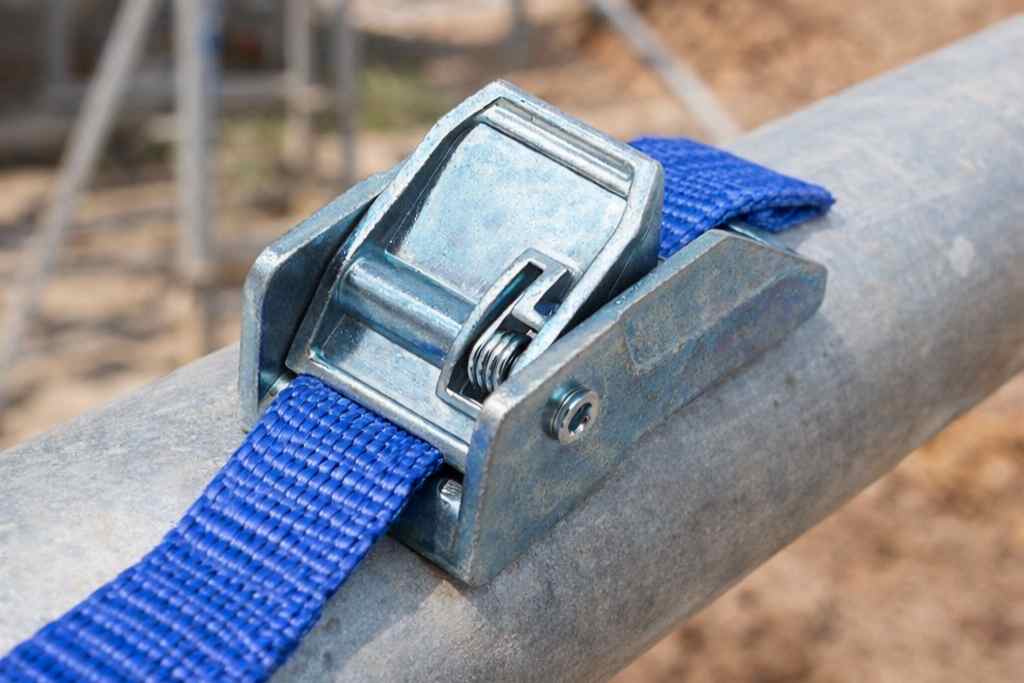
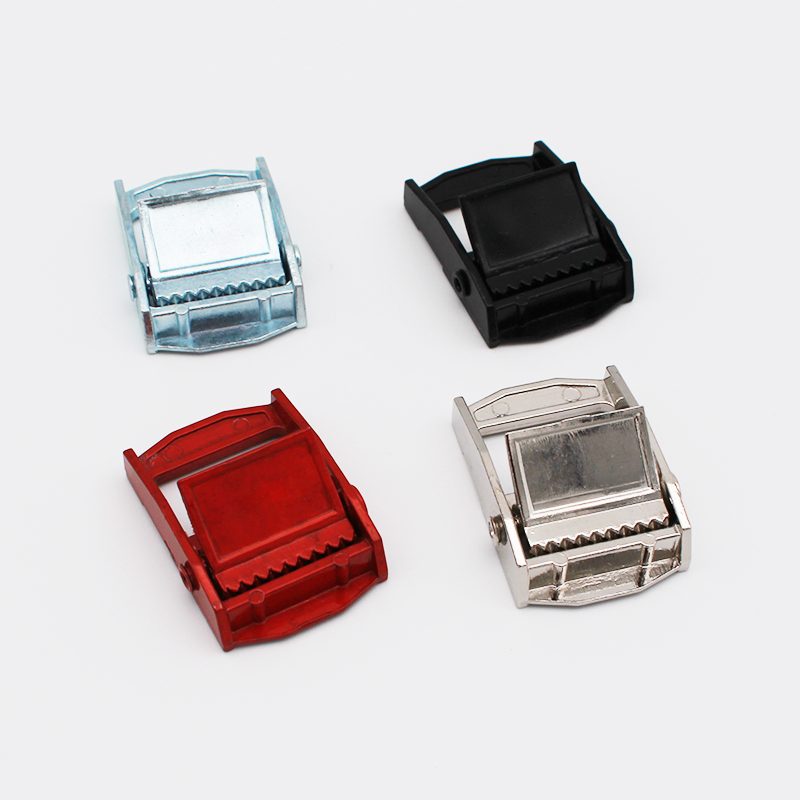
Slip-on harnesses use a simple yet ingenious system to secure themselves in place. The buckle has a track with small grooves. A locking plate is located inside the buckle. When someone passes the harness through the buckle, the locking plate presses down into the groove. This action keeps the harness taut and prevents slippage. The user can loosen the harness by pulling or lifting the locking plate.
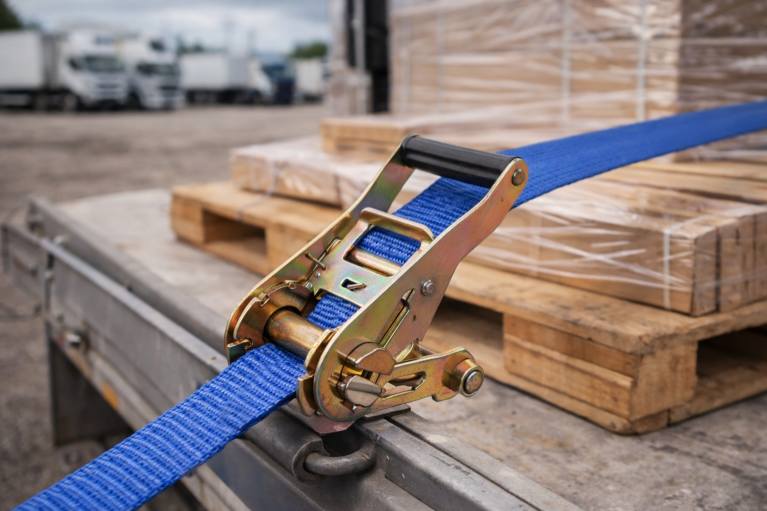
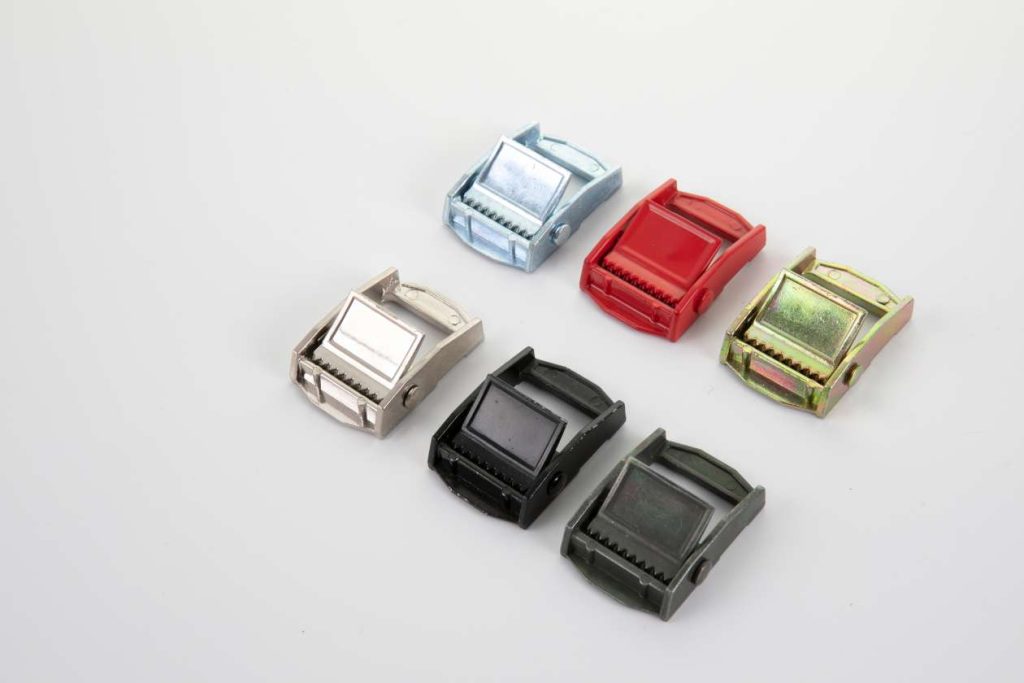
This mechanism is used in many products. For example, cargo lashing straps often use a similar locking system. BAOYING manufactures cam-buckle and ratchet-type lashing straps for heavy cargo. These lashing straps use locking levers or ratchets to clamp the webbing and secure it firmly. The principle is the same: the buckle holds the lashing strap in place through pressure or a locking mechanism.
Tip: The same sliding and locking method helps keep both pants and cargo safe and secure.
Step-by-Step Adjustment
Adjusting a slide buckle belt is easy. Here are the steps:
- Thread the belt strap through the buckle.
- Pull the strap until the belt feels snug around the waist.
- The locking tab will press into the notches or grip the strap with friction.
- To loosen the belt, lift the tab or release the buckle, then slide the strap out.
- Repeat these steps to find the most comfortable fit.
People love this belt because it can be finely adjusted as needed. With no eyelets, it fits any waist size. Therefore, the sliding buckle belt is a smart choice, combining style and practicality.
Features of Sliding Buckle Belts
Materials and Construction
Manufacturers use a variety of materials to make sliding buckle belts. The most common materials include leather, canvas, and nylon. Each material has its advantages in terms of style and durability. Leather belts look beautiful and become more textured over time. Canvas belts are lightweight and flexible. Nylon belts are strong and durable, suitable for outdoor or high-intensity work.
Leather slip-on belts can last for years with proper care. Canvas belts are also durable, but may wear out faster. Nylon belts are suitable for short-term use, but wear out quickly due to their tendency to pill.
Adjustability and Comfort
Slip-on belts are easy to adjust and comfortable to wear. The friction lock design allows you to adjust the belt to any position. Because there are no fixed holes, it fits any waist size. This makes slip-on belts more practical than regular belts.
Here are some features that help with belt adjustment:
- Friction-lock keeps the belt tight
- You can adjust it to any size you want
- Fits many body types
People choose slip-ring belts because they are comfortable to wear. Surveys show that ratchet belts with a similar slip-ring system are more comfortable than pin-ring belts. The table below compares the two types of belts:
| Belt Type | Comfort Rating | Adjustment Precision |
|---|---|---|
| Ratchet Belts | Higher | Precise |
| Traditional Belts | Lower | Limited |
The holeless design allows for easy adjustments to achieve a better fit. This helps prevent the belt from being too tight or too loose. The sliding buckle belt comes in various styles, so you can pair it with casual or formal attire.
Slide Buckle Belt vs. Traditional Belts
Key Differences
Slide-buckle belts allow you to adjust the tightness by sliding the strap. Traditional belts use eyelets and pins or clips for fastening. Slide-buckle belts have no eyelets. You simply thread the strap through the buckle, and friction or a ratchet mechanism keeps it taut. This makes adjusting to the right tightness effortless.
Pin-buckle belts have a metal part inserted into the eyelet. You must choose the correct eyelet for a comfortable fit. Clips or friction buckles compress the strap, but their adjustment range is not as wide as that of slide-buckle belts.
People wear slide-buckle belts for both fashion and work. Many people pair them with casual wear, uniforms, or outdoor clothing. A similar sliding system is used in cargo securing straps. Brands like Prowin produce straps with cam buckles or ratchet buckles for securing heavy objects. This shows that the same principle applies to belts and cargo securing straps.
Advantages and Disadvantages
The table below lists the main advantages and disadvantages of slide-buckle belts and traditional belts:
| Feature | Slide Buckle Belt | Traditional Pin Buckle Belt |
|---|---|---|
| Adjustability | Infinite, fits any waist size | Limited to set holes |
| Ease of Use | Simple to adjust, good for limited dexterity | Can be hard for limited dexterity |
| Comfort | High, allows small changes | May feel too tight or too loose |
| Durability | Depends on material | Usually strong, especially leather |
| Style Options | Many casual and dress styles | Wide range, classic look |
| Uses | Fashion, uniforms, cargo control | Mostly fashion, some utility |
People with limited hand mobility prefer sliding belts. These belts don’t require aligning pins with holes, and their sliding design makes adjustments quick and easy. Traditional belts can be difficult to use if hand mobility is restricted.
Advantages and Uses
Advantages of Slide-Snap Buckle Belts
Slide-Snap buckle belts offer numerous advantages for everyday use and work. Many people choose this type of belt because of its easy adjustment and comfortable fit. The holeless design allows for minor adjustments to the belt’s tightness. This means it can accommodate various waist sizes, neither too tight nor too loose. The ratchet-style buckle securely holds the belt in place via a locking groove. High-quality materials and a robust construction ensure these belts are durable.
The table below lists the main advantages mentioned by users in reviews:
| Benefit Description |
|---|
| No-hole design lets you make small changes, not just big ones. |
| Ratcheting buckles keep the belt tight with locking grooves. |
| Good quality and strong build for both belt and buckle. |
Common Styles and Applications
Slip-on belts come in a wide variety of styles. Some are casual and versatile, made of canvas or nylon; others are made of leather for a more formal look. They can be paired with jeans, uniforms, or even suits. Outdoor workers and athletes especially like these belts because they maintain a snug fit during exercise.
Slip-on belts are not just for show. Many jobs requiring robust and durable gear rely on them. For example, cargo straps and securing straps use slip-ons to secure items. Brands like Prowin manufacture such straps for trucks, ships, and motorcycles. The same principle can also protect trousers and heavy loads.
Slip-on belts have a wide range of uses:
- Daily wear at school or work
- Outdoor fun like hiking or camping
- Uniforms for military or service jobs
- Holding cargo in trucks or on boats
How to Use a Slide Buckle Belt
Wearing the Belt
A person can put on a slide buckle belt by following these steps:
- Hold the belt with the buckle in one hand and the strap in the other.
- Insert the strap through the belt loops on the pants, starting at the left side.
- Pull the strap all the way around the waist until the buckle reaches the front.
- Slide the end of the strap through the buckle slot.
The buckle should rest at the center of the waist. The strap should hang down a little after passing through the buckle.
Adjusting for Fit
To make the belt fit better, a person can adjust it easily:
- Pull the loose end of the strap to tighten the belt. The buckle will grip the strap and hold it in place.
- If the belt feels too tight, lift the locking tab or press the release button on the buckle. This will let the strap slide back out.
- Move the strap until the belt feels comfortable. The person can make small changes for the best fit.
- Tuck any extra strap into the belt loop or let it hang, depending on the style.
A slide buckle belt gives a secure hold and allows for quick adjustments. This makes it a smart choice for many people.
Slip-on belts are known for their easy adjustability and secure fit. They are suitable for both everyday wear and the workplace. This belt features a simple design that combines comfort, style, and durability. Many people choose it because it fits various waist sizes and is long-lasting. If you are looking for a reliable and stylish belt, whether for everyday wear or special needs, you should consider this one.
FAQ
What’s the difference between a sliding buckle belt and a regular belt?
Sliding buckle belts use a friction or ratchet system instead of eyelets. Users can adjust the belt size to their needs. This design is more comfortable and flexible than traditional belts.
Do sliding buckle belts fit all waist sizes?
Yes, sliding buckle belts fit most waist sizes. Users simply thread the belt through the buckle to adjust to the desired tightness. There are no pre-set eyelets.
Are sliding buckle belts strong enough for outdoor activities?
Nylon or canvas sliding buckle belts offer strong support. Many people use them for hiking, camping, or as work uniforms. The secure locking system ensures the belt is firmly secured.
How to clean a sliding buckle belt?
Leather belts can be wiped with a damp cloth and mild soap. Canvas or nylon belts should be hand washed with water and then air-dried. Avoid soaking the buckle for extended periods to prevent rusting.
What different styles of sliding buckle belts are available?
Yes, there are many styles of slip buckle belts. Some are made of canvas or nylon, giving them a casual and relaxed look; others are made of leather, which is more formal. People can choose the right style according to their needs.