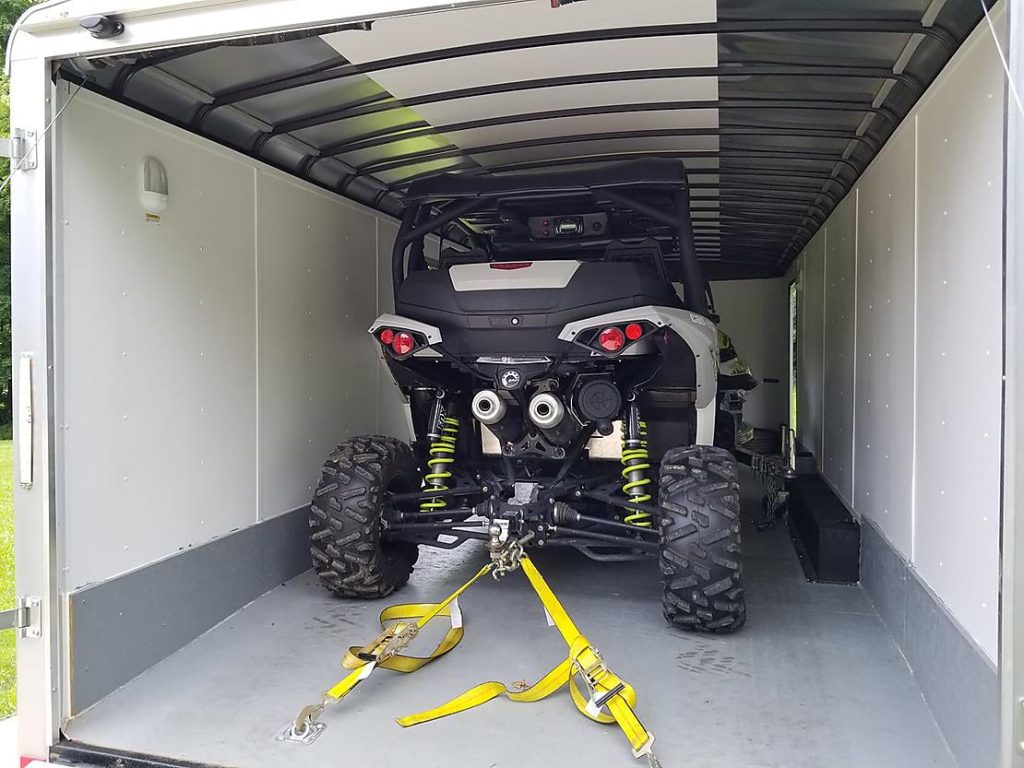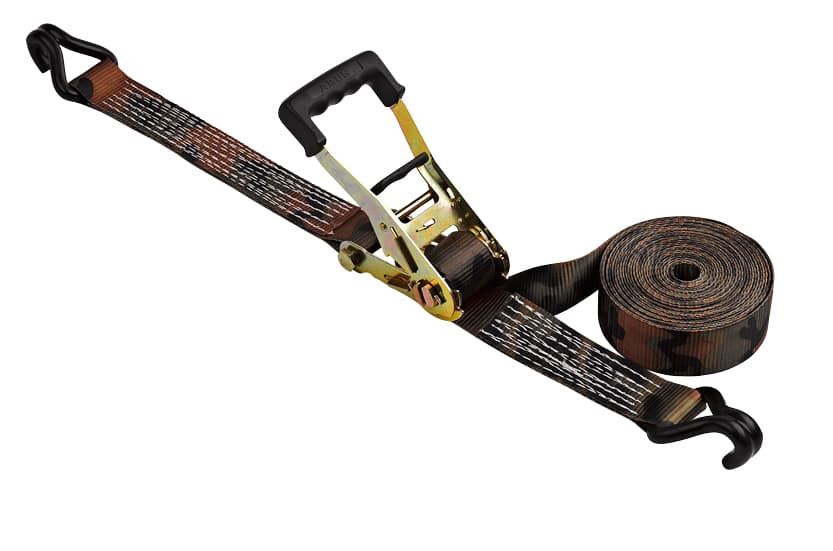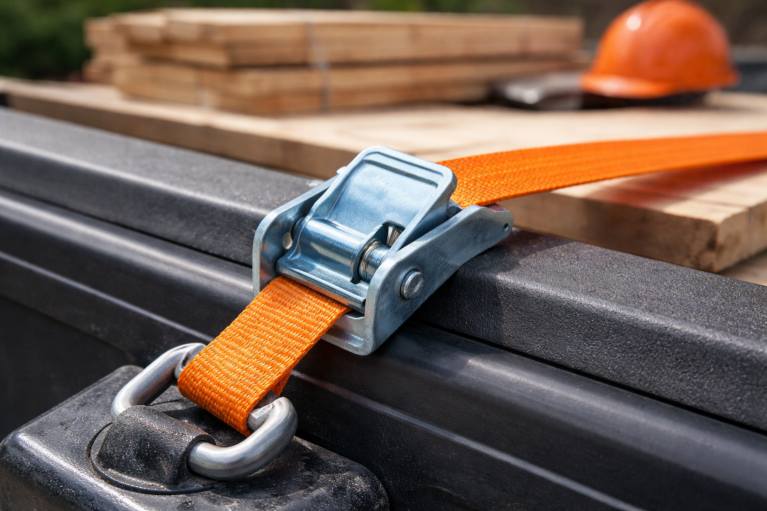
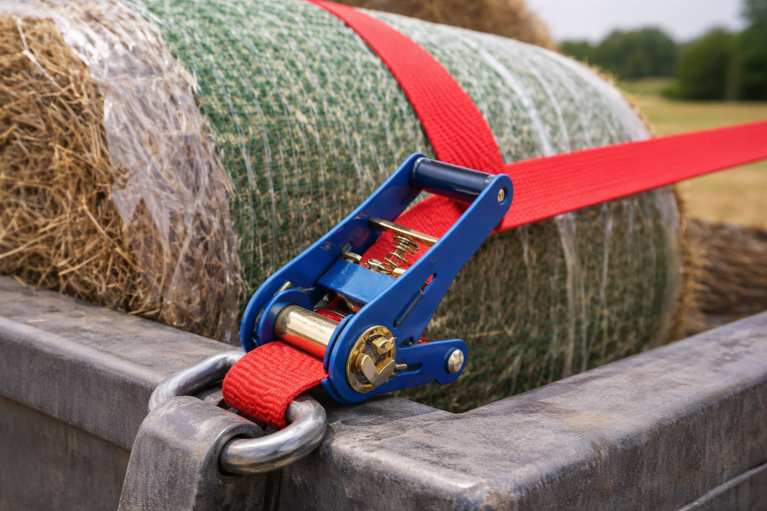
The load-bearing limit of ratchet straps is a key factor determining their safe load-bearing capacity. Chain straps have a higher load-bearing limit and are ideal for transporting particularly heavy objects. Rope straps offer good flexibility and can withstand various weights, but their specific load-bearing limit must be checked before use. Choosing the right straps begins with understanding the load limits of ratchet straps to meet your specific needs, thus ensuring safe and efficient transport of goods every time.
Key Takeaways
- Before using ratchet straps, always check their Working Load Limit (WLL). This value indicates the maximum weight the strap can safely withstand.
- Understand the difference between Working Load Limit and Breaking Strength. The Working Load Limit is typically about one-third of the Breaking Strength, providing a safety margin.
- Use at least two ratchet straps to secure goods. Using more straps distributes weight, improving the safety of handling items.
- Inspect the ratchet straps for damage before each use. Check for wear or breakage to prevent accidents and ensure the safety of goods.
- Choose ratchet straps that meet safety standards and certifications. High-quality straps reduce risk and protect goods and people.
Load Limit on Ratchet Strap Explained
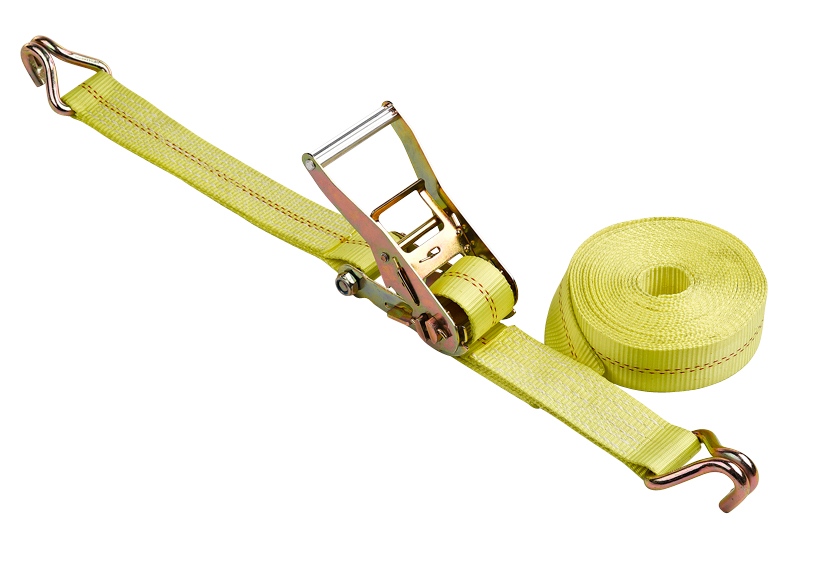
What is the load limit?
The load limit refers to the maximum weight that a ratchet strap can safely withstand. Companies determine this value by testing the straps and following relevant regulations. The working load limit is a key data point to check before using binding equipment. It indicates the maximum tensile force the strap can withstand before breaking.
To determine the working load limit, companies use various testing methods. They pull the strap until it breaks and measure its strength. During these tests, they also follow strict regulations. The test results allow them to label the working load limit for each strap. This helps consumers trust the information on the label.
| Testing Method | Description |
|---|---|
| Controlled Tension Testing | Straps are pulled harder and harder until they break. This shows how strong the strap is. |
| Adherence to Standards | Tests follow industry rules to make sure the load limits are correct. |
| Working Load Limit Tagging | The test results are used to label the strap with its working load limit. |
By law, companies must clearly mark the working load limit, breaking strength, and material type on each ratchet belt. Inspectors check these labels to ensure compliance.
Why are load limits so important?
Work load limits ensure the safety of people, goods, and equipment. Exceeding the load limit of a ratchet strap can be dangerous. The ratchet strap may break, resulting in lost goods or personal injury. Furthermore, failure to comply with load limits can be a violation of the law.
Government agencies have established strict rules for cargo lashing. The Federal Motor Transportation Safety Administration (FMCSA) requires that the total work load limit of all lashing straps must be at least half the weight of the cargo. For example, if your cargo weighs 10,000 kg, the total work load limit of all lashing straps must be at least 5,000 kg. This regulation helps prevent accidents and ensures safe transportation.
Inspectors will look for blue labels indicating the working load limits and the manufacturer’s name. Companies must comply with these regulations to ensure the safety of goods and prevent accidents. Working load limits are not just recommendations; in many places, they are legal requirements.
Identifying Ratchet Strap Working Load Limit
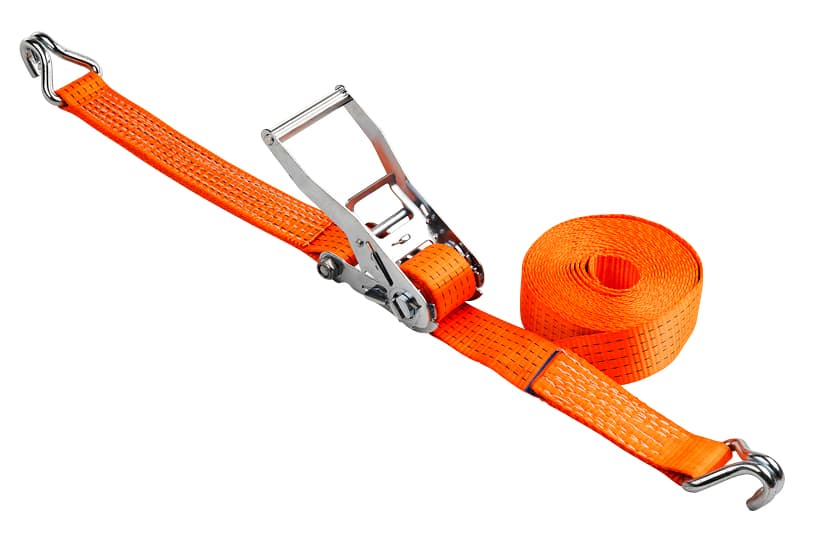
Deciphering Labels and Markings
Ratchet straps have labels containing important information. These labels help people understand the working load limit of the strap and the manufacturer. The working load limit is easily found on the label or strap itself. For example, a ratchet strap label might indicate 3,300 lbs (approximately 1,500 kg). This number indicates the maximum weight the strap can safely withstand. Manufacturers include this information to help users and inspectors verify safety regulations.
Labels also display other information. You might see the strap’s material, strength, and safety warnings. These markings help you choose the right strap for your goods. Do not use the strap if the label is missing or illegible. Clear labeling prevents errors and ensures safety.
| Label Information | Purpose |
|---|---|
| Working Load Limit (WLL) | Shows safe weight for use |
| Manufacturer Name | Identifies who made the strap |
| Breaking Strength | Indicates maximum force before failure |
| Material Type | Helps match strap to application |
| Safety Warnings | Reminds users of proper use |
Manufacturer Specifications
Each company provides detailed information for each ratchet belt, including its working load limit and breaking strength. Breaking strength refers to the maximum tensile force the ratchet belt can withstand before it breaks. The working load limit is lower and refers to the safe weight under normal use conditions. Companies typically use a fraction of the breaking strength (usually one-third) to calculate the working load limit. This safety rule prevents the ratchet belt from breaking during use.
For example, if a ratchet belt has a breaking strength of 3,000 lbs, it should not be used for a 3,000 lb load. The working load limit of that ratchet belt might be 600 lbs. This value ensures the safety of goods and personnel. The company tests all components (such as webbing and hardware) to identify the weakest link. The working load limit depends on the weakest link.
Ratchet Strap WLL vs. Breaking Strength
Key Differences
When choosing ratchet belts, people often confuse Working Load Limit (WLL) and Breaking Strength. These two terms have different meanings and play unique roles in cargo safety.
- Working Load Limit (WLL) refers to the maximum weight a ratchet belt can safely withstand under normal use. This value is typically one-third of its breaking strength.
- Breaking Strength refers to the maximum force a ratchet belt can withstand before breaking. Manufacturers determine this value by testing the ratchet belt until it breaks. The weakest part of the ratchet belt, such as the webbing or hardware, determines its breaking strength.
- Working Load Limit (WLL) includes a safety margin. It takes into account sudden stops, sharp turns, or other external forces that may occur during transportation.
For example, a ratchet belt with a breaking strength of 10,000 lbs has a Working Load Limit (WLL) of approximately 3,333 lbs. If the ratchet strap hardware has a breaking strength of 1,000 lbs, then its working load limit (WLL) is 333 lbs. This safety margin helps prevent accidents.
The table below shows a comparison of these values for different watch straps:
| Ratchet Strap Size | Breaking Strength (BS) | Working Load Limit (WLL) |
|---|---|---|
| Example Strap | 3,000 lbs | 1,000 lbs |
| Another Strap | 2,500 lbs | 833 lbs |
| Yet Another Strap | 1,800 lbs | 600 lbs |
Safety Precautions
When selecting appropriate ratchet straps, focus on their working load limit, not just their breaking strength. Safety agencies recommend choosing straps with a breaking strength significantly higher than the load capacity. For example, if the cargo weighs 700 pounds, it is safer to choose a strap with a breaking strength of 3,000 pounds.
Confusing the working load limit with the breaking strength can lead to strap overloading. This error can cause the strap to break, causing the cargo to fall. Such accidents can result in personal injury or cargo damage. The working load limit protects people and cargo by setting safety limits.
Always check the working load limit and breaking strength on the label. Use the working load limit as the primary reference. Breaking strength provides additional protection but should never be the sole basis for safety decisions.
Choosing a Ratchet Cargo Strap
Assessing Load Capacity
To select the appropriate ratchet cargo ties, you need to know the weight of your cargo. First, determine the weight of your cargo. Next, determine the required number of ties according to relevant regulations. Consider whether the cargo may shift during transport. If so, you may need stronger ratchet cargo ties. Weather and road conditions will also affect the strength of the ties.
A safety margin is crucial to ensuring the safety of your cargo. You should use half the weight of your cargo to determine the minimum working load. Measure the length of your cargo and calculate the number of ratchet cargo ties required. Always use at least two ties. Use the larger number from the inspection results to determine the required number of ties. Each ties must be strong enough to withstand the cargo it carries.
Choosing the Right Size and Type
The size and type of ratchet cargo ties affect their load capacity. Ties made of high-strength materials such as polyester webbing have a longer lifespan and are less prone to wear. Wider ties can bear greater weight and distribute it, thus preventing damage to the cargo. Narrower ties are easier to handle and store and are more suitable for lightweight cargo.
| Strap Width | Application | Working Load Limit (WLL) |
|---|---|---|
| 1″ | Light-duty applications | Up to 1,000 lbs |
| 2″ | Larger loads | Up to 3,333 lbs |
| 3″ | Heavy-duty tie down applications | Around 5,400 lbs |
| 4″ | Most demanding jobs | 5,400 lbs and above |
Baoying Straps Features
Baoying manufactures a variety of ratchet-type cargo straps to meet diverse needs. Its products comply with stringent international standards such as ISO 9001, CE, and GS. These standards ensure the safety and superior quality of the straps.
| Certification | Importance |
|---|---|
| ISO 9001 | Quality management and continuous improvement |
| BSCI | Ethical production and social responsibility |
| GS TUV | Safety and compliance with European standards |
BAOYING offers a wide range of strap options to meet the weight requirements of your various shipments. Their straps range in load capacity from 500 lbs for 1-inch straps to 5,000 lbs for 4-inch straps. For example, BAOYING’s 2-inch straps can support weights from 430 kg to 6,000 kg, suitable for transporting goods of all sizes.
Always choose ratchet-type cargo straps capable of withstanding the weight of your goods and adhere to safety regulations. BAOYING prioritizes quality and a comprehensive selection to ensure your goods are safe and secure during every shipment.
Knowing the safe weight limit for tie down straps stops accidents and keeps cargo safe. The working load limit tells you how much weight each strap can hold safely. Breaking strength shows the most force a strap can take before it breaks. Always check the label and pick certified tie down straps for every job. BAOYING tie down straps follow strict rules and work well.
- Only use tie down straps for weights they can handle.
- Check tie down straps for damage before using them.
- Keep tie down straps in a dry, cool spot.
Picking the right tie down straps keeps cargo safe and lowers risk. If you need special help, reach out to BAOYING for advice.
FAQ
How to check the working load limit of a ratchet belt?
You can find the working load limit on the label of the ratchet belt. The manufacturer will clearly print this value. Always check the label before using the ratchet belt.
What happens if a ratchet belt is overloaded?
Overloading a ratchet belt can cause it to break. Goods may fall or be damaged. Nearby personnel may be injured. Safety regulations require that ratchet belts be used within their working load limits.
Can ratchet belts be used for lifting?
Ratchet belts are not designed for lifting. They are used to secure goods during transport. Using ratchet belts for lifting can lead to accidents. Always use lifting equipment that meets safety standards.
How often should a ratchet belt be inspected?
Inspect the ratchet belt before each use. Check for cuts, wear, or damaged hardware. If the ratchet belt shows signs of wear, replace it. Regular inspections ensure the safety of goods and personnel.