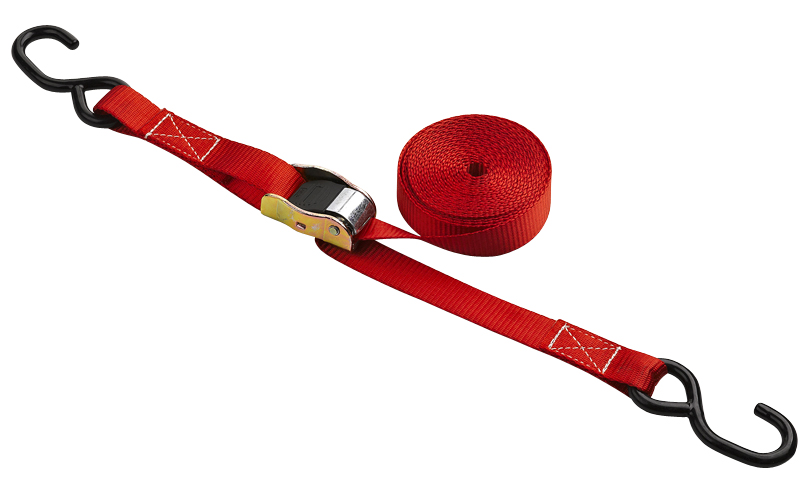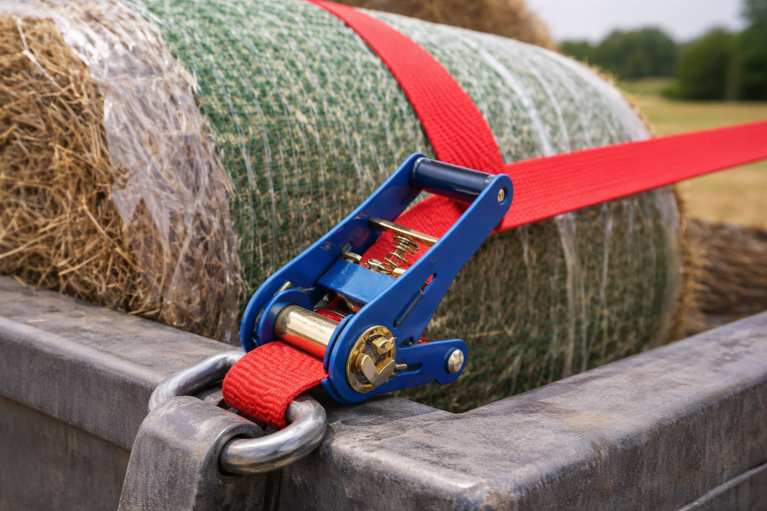
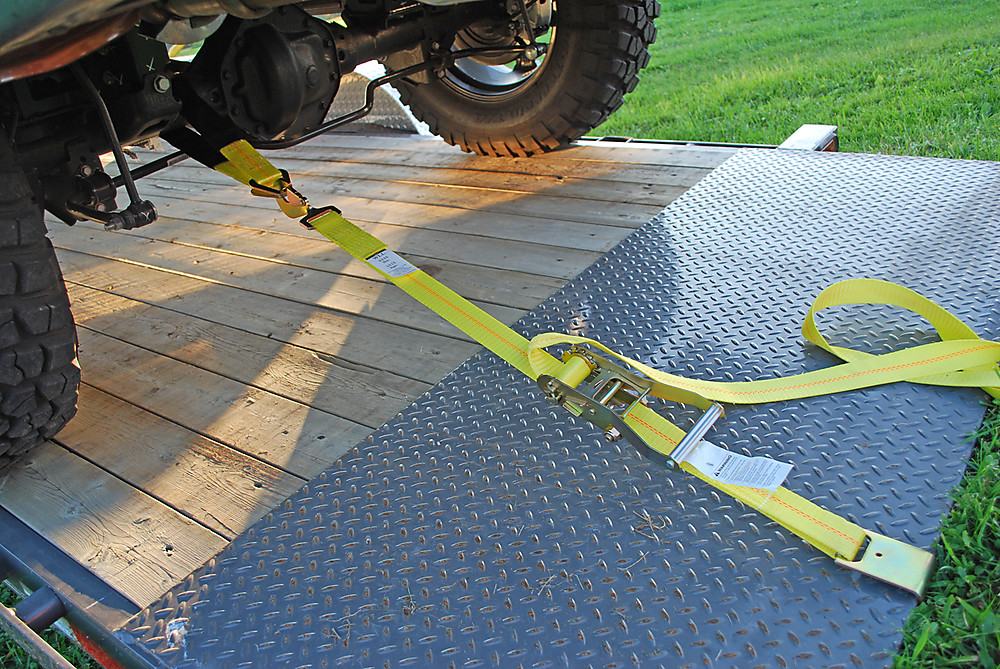
Ratchet straps are legal as long as they comply with all federal and state regulations. The Federal Motor Transportation Safety Administration (FMCSA) and the Department of Transportation (DOT) have established safety standards designed to protect drivers and cargo, so it is crucial to ensure your ratchet straps meet these requirements. The straps must be intact and correctly labeled. Using legal and well-conditioned ratchet straps helps prevent accidents and ensures road safety.
Key Takeaways
- Ratchet straps are permitted as long as they comply with regulations. Before use, you must check that the labels are correct and that the straps are in good condition.
- Using damaged or unlabeled endless ratchet straps may result in fines and could cause accidents. For safety, check your straps regularly.
- The Working Load Limit (WLL) should be at least half the weight of the cargo. This prevents overloading and ensures safe transport.
- Edge protection at sharp corners is very important. It prevents damage to the straps and improves safety.
- Proper maintenance and storage of ratchet straps can extend their lifespan and ensure cargo safety. Clean and inspect them regularly.
Are Ratchet Straps Legal?
Federal and State Regulations
Legal ratchet straps used for cargo must comply with federal and state regulations. The Department of Transportation (DOT) sets the main rules for drivers securing cargo on public roads. States may set their own rules, but these rules must not be less stringent than federal rules. Drivers and companies need to consult federal and state regulations before transporting cargo.
Federal law requires that legally used ratchet straps meet certain requirements. These requirements include:
- The strap must be labeled with its Working Load Limit (WLL).
- The label must list the breaking strength and webbing material.
- The label must include the manufacturer’s name and address.
- The label color usually matches the webbing material; for example, blue represents polyester.
States may check these labels during inspections. If the strap is unlabeled or damaged, it cannot be used. Using damaged or unlabeled straps may result in fines or license suspension. Drivers should check their ratchet bands before each trip.
FMCSA and DOT Standards
The Federal Motor Transportation Safety Administration (FMCSA) and the Department of Transportation (DOT) have established clear regulations regarding the legal ratchet straps used for cargo. These regulations cover materials, labeling, and the number of straps required for different types of cargo.
The FMCSA stipulates that the number of straps depends on the size and weight of the cargo:
- Cargo no longer than 5 feet and weighing no more than 1100 pounds requires one strap.
- Cargo weighing more than 1100 pounds and no longer than 5 feet requires two straps.
- Cargo longer than 5 feet but no more than 10 feet requires two straps, regardless of weight.
- For cargo 10 feet or longer, if the cargo cannot be moved, use one strap every 10 feet.
- For cargo 10 feet or longer and not obstructed, use two straps for the first 10 feet, and then add one strap for every additional 10 feet.
- The total working load of all lashing straps must be at least half the weight of the cargo.
Legally used ratchet lashing straps must also comply with material and design specifications. These specifications include:
- Compliance with FMCSA 49 CFR § 393.102 regarding materials and labelling.
- Labeling and breaking strength must comply with WSTDA-M-1 standards.
- Compliance with OSHA and ASME regulations regarding safety and manufacturing processes.
Inspectors frequently find problems with ratchet straps. The following table lists some common issues:
| Violation Type | Description |
|---|---|
| Insufficient Tie-Down Count | Not enough straps for the size or weight of the load. |
| Equipment Condition | Using straps that are damaged or worn out. |
| WLL Calculation Errors | Mixing up breaking strength with working load limit. |
| Edge Protection Violations | Not using protection on sharp edges. |
| Loose Ends and Slack | Not tying down extra strap tails, which can be dangerous. |
Ratchet straps used for cargo transport must always be kept in good condition, properly labeled, and used correctly. Drivers and companies should regularly inspect the straps and replace any worn or missing labels. Doing so helps ensure everyone’s safety and avoids hefty fines.
Legal Requirements for Ratchet Straps
Compliance
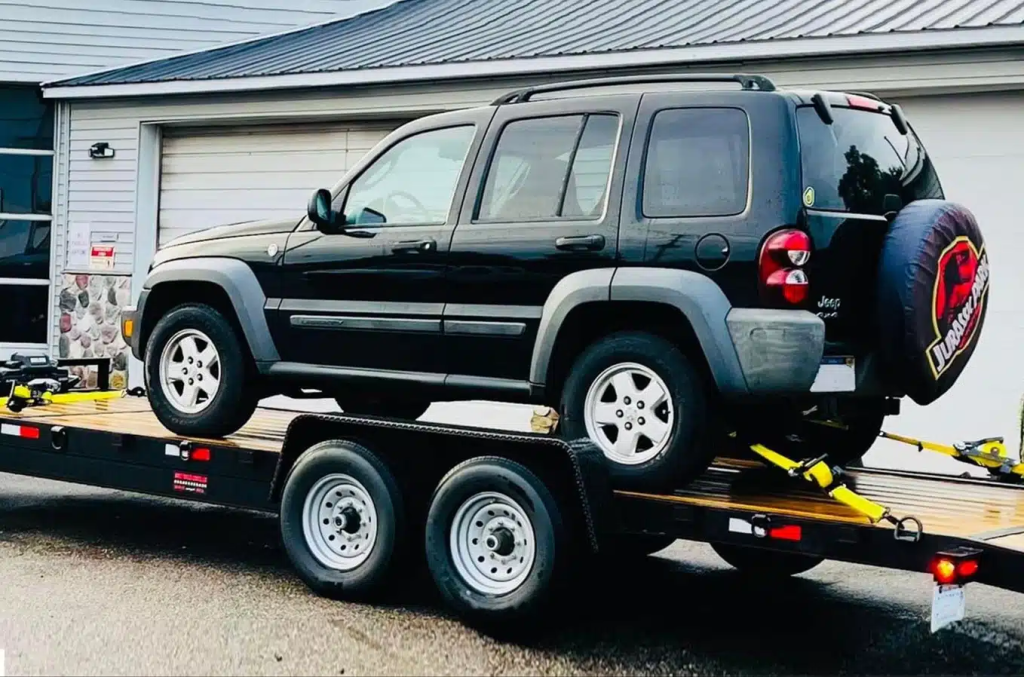
Complying with all federal and state regulations regarding cargo securing is the first step to legal compliance. Every ratchet belt must be clearly labeled with its working load limit, breaking strength, and material type. The label must also include the manufacturer’s name and address. This information helps inspectors determine if the ratchet belt meets safety standards. Drivers and companies must stay informed of the latest regulations to avoid fines or penalties. They should inspect the ratchet belt before each trip to ensure it meets these requirements.
Load Capacity
Working Load Limit (WLL) is a critical component of legal load capacity. WLL indicates the maximum weight the ratchet belt can safely carry. The total WLL of all ratchet belts used must be at least half the weight of the cargo. If a ratchet belt does not indicate its WLL, it cannot be used. Using ratchet belts with appropriate load capacity ensures cargo safety and prevents accidents.
Condition
Ratchet belts must be kept in good condition for legal use. Drivers should inspect the webbing for wear, the hardware for bending, and the ratchet mechanism for damage. If any damage is found to the straps, they must be replaced immediately. Regular cleaning with a mild detergent and warm water helps maintain the strength of the ratchet straps. Straps should be air-dried before storage. They should be stored in a cool, dry place, away from direct sunlight and moisture. Companies should inspect ratchet straps before each use, weekly, and conduct a full inspection monthly. Keeping inspection records helps track the condition of each strap.
Method
The correct use of ratchet straps is also a legal requirement. The straps must be installed in a way that prevents goods from moving or falling. The number of straps depends on the size and weight of the goods. If the goods have sharp corners, edge protection is required. Following these methods ensures the straps work as intended and comply with all legal standards.
Tip: Always follow the WSTDA inspection guidelines and keep records of each inspection. This helps demonstrate compliance during inspections.
Safe Use of Ratchet Straps
Correct Application Methods
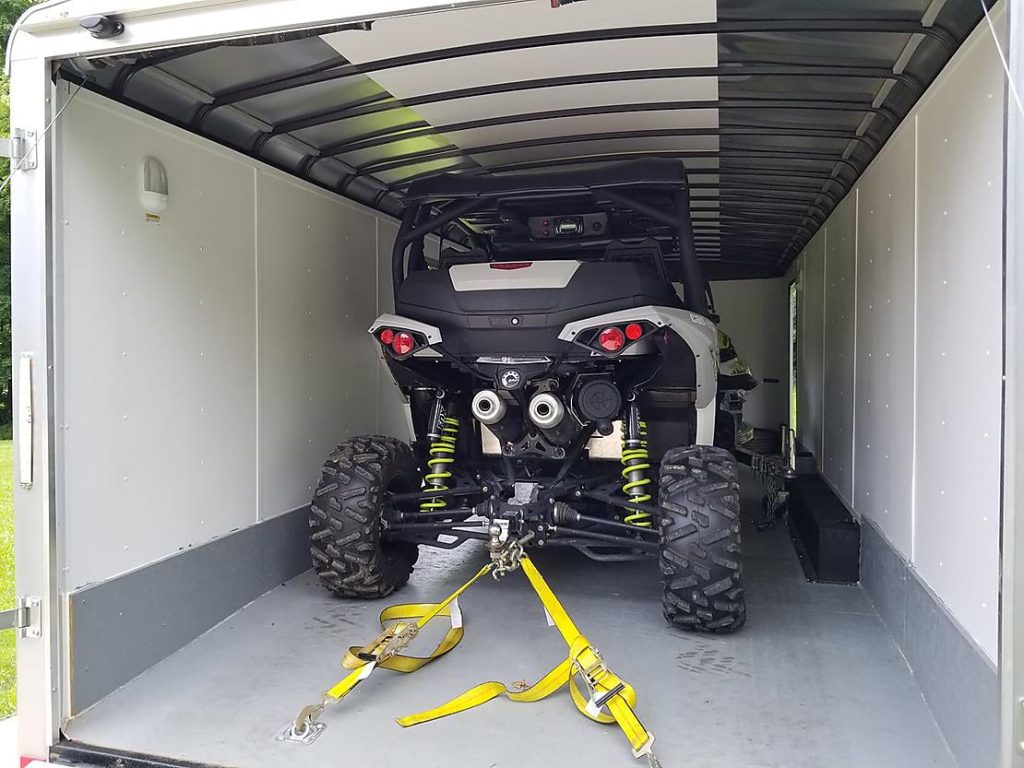
Safe use of ratchet straps means developing good habits. Drivers and workers should wear safety equipment to ensure their own safety. They must stand in a safe position to avoid injury. Rapid release of tension can cause injury. Therefore, handle the straps with care. Inspect the straps frequently to detect any damage early. Always use ratchet straps according to the manufacturer’s instructions. It is important to follow the rules and avoid exceeding the workload limit. Proper storage of the straps helps extend their lifespan. Pay attention to tension while driving to prevent cargo from shifting.
- Plan how to secure the cargo so that it cannot move.
- Place the straps at the appropriate angle for optimal strength.
- Tighten the straps slowly and check their condition after driving for a period of time.
- For heavy loads, ratchet straps can be used in conjunction with other securing methods.
- Release tension slowly to prevent the straps from snapping back.
If operated correctly, you can use ratchet straps in conjunction with other securing methods. This is not only safer but also complies with cargo securing regulations.
Edge Protection
Using edge protectors is not optional but mandatory. This is the most economical and effective way to prevent serious ratchet belt breakage.
Sharp corners can cut ratchet belts. Corner protectors help protect ratchet belts from damage caused by sharp corners. Safety regulations stipulate that edge protection is crucial during inspections. If a ratchet belt comes into contact with a sharp corner, it may be damaged or even break. Many Department of Traffic tickets are due to the lack of edge protectors.
Maintenance and Replacement
Regularly inspecting ratchet belts ensures their safety compliance. Before use, carefully inspect each ratchet belt. Cleaning removes dirt, sludge, and chemicals. Maintenance includes preventing rust and keeping parts functioning properly. Store ratchet belts in a clean, dry, cool place, avoiding direct sunlight and contact with chemicals. Inspect the webbing for cuts, scratches, and wear. Inspect metal parts for bending and rust. Ensure labels are clear and legible.
| Reason for Failure | Description |
|---|---|
| Improper Strap Width | Narrow straps spread weight unevenly and can fail. |
| Inadequate Breaking Strength | Weak straps can cause accidents and damage cargo. |
| Material Degradation | Frayed polyester straps do not work well. Check them often. |
| Incorrect Webbing Feeding | Wrong way causes tension loss and release issues. |
| Lack of Regular Inspections | Worn straps can break and hurt people. |
Bao Ying’s lashing straps meet high standards such as ISO 9001, CE, and GS. Their straps can withstand heavy loads and maintain stable tension. Bao Ying is committed to producing high-quality products to help shipping and industrial companies safely control their cargo.
The use of ratchet lashing straps is legal as long as all rules are followed. Regularly checking the straps, ensuring clear labeling, and choosing high-quality products helps prevent accidents and legal disputes. Some people have been fined and faced insurance disputes for using ratchet lashing straps to tow cargo or for failing to comply with safety rules. Cargo lashing rules change frequently, so businesses should pay attention to the latest training and industry updates.
| Factor | Why It Matters |
|---|---|
| Working Load Limit | Stops straps from breaking by holding too much |
| Proper Labeling | Helps pass checks by inspectors |
| Regular Maintenance | Makes straps last longer and keeps loads safe |
FAQ
Are ratchet straps suitable for all types of cargo?
Ratchet straps are suitable for most types of cargo. Their use must comply with federal and state laws. Certain special cargoes, such as dangerous goods, require additional security measures.
What happens if the ratchet straps are not labeled?
Inspectors can confiscate unlabeled straps. The driver may be fined. Always check for clear labeling before using any straps.
How often should drivers check their ratchet straps?
Drivers should check their ratchet straps before each trip. They should also check them when parked. Regularly checking the straps helps prevent accidents and ensures cargo safety.
Can drivers use ratchet straps in conjunction with other securing methods?
Drivers can use ratchet straps in conjunction with other securing methods. They must use the correct methods to secure the cargo and check the total workload limits.