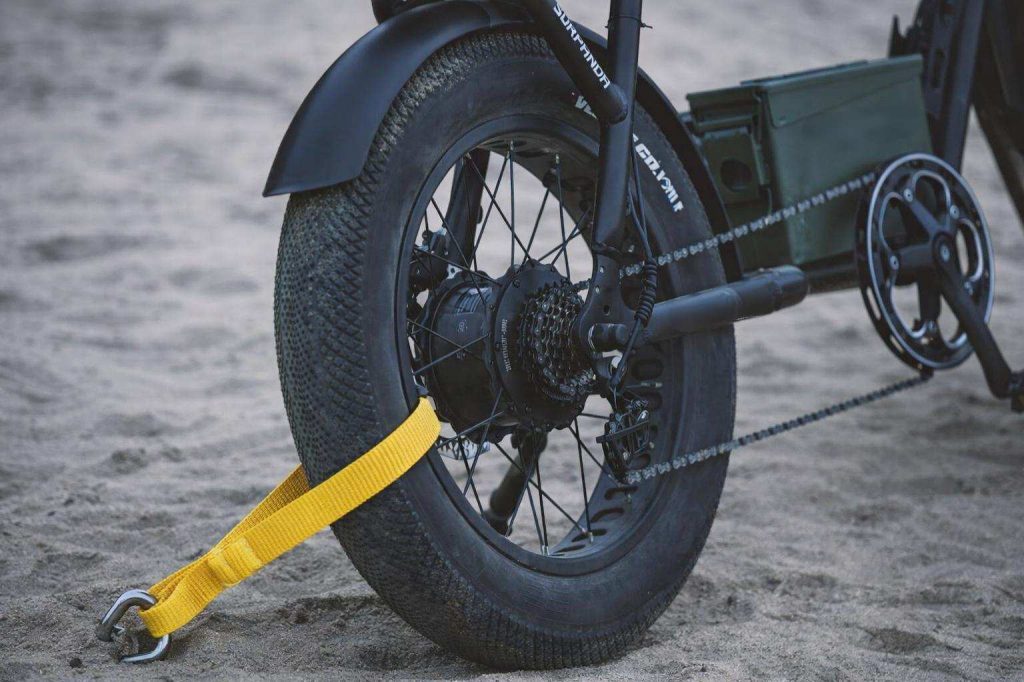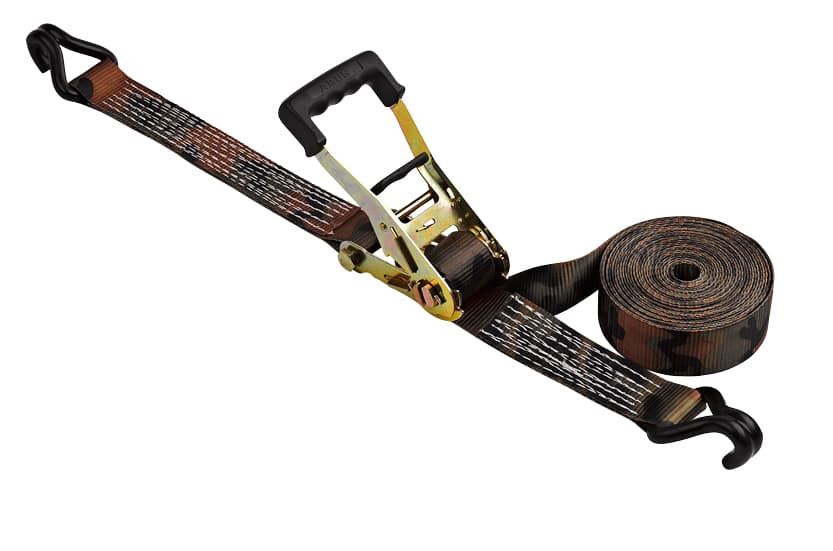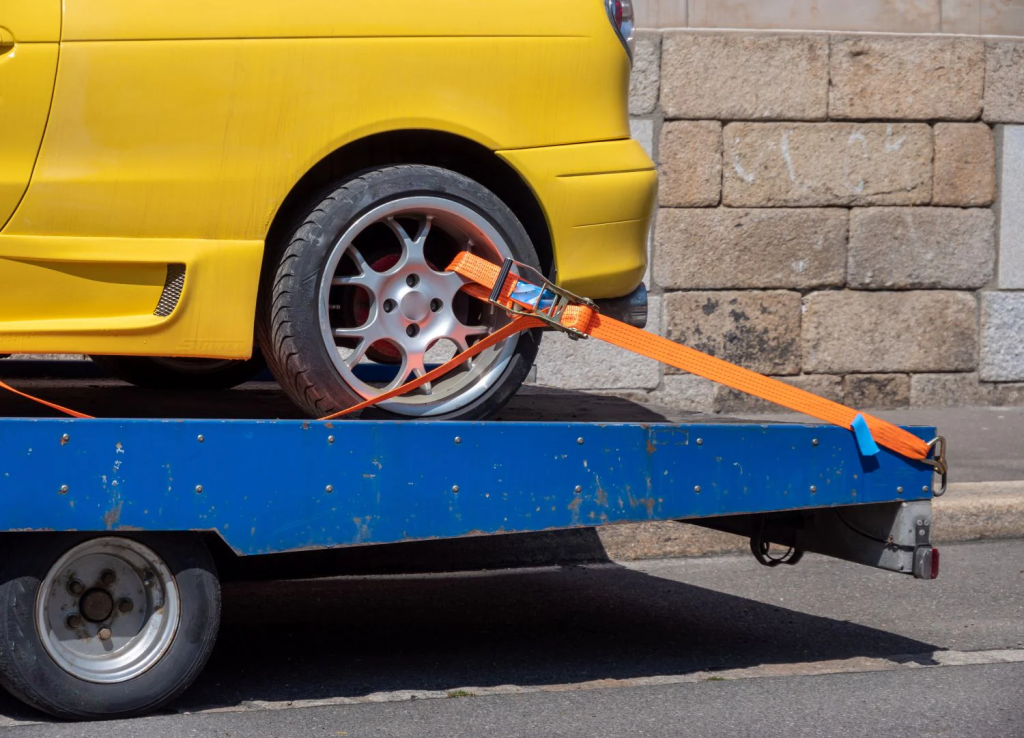
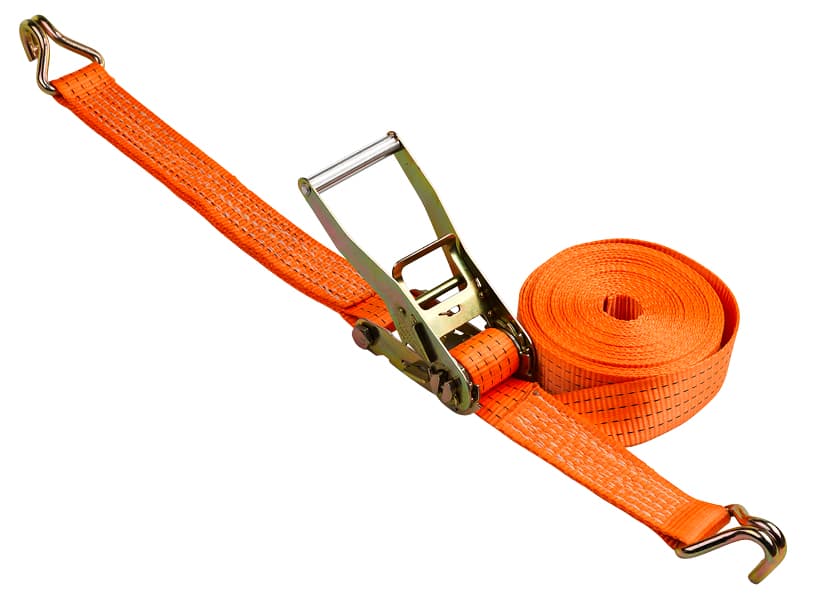
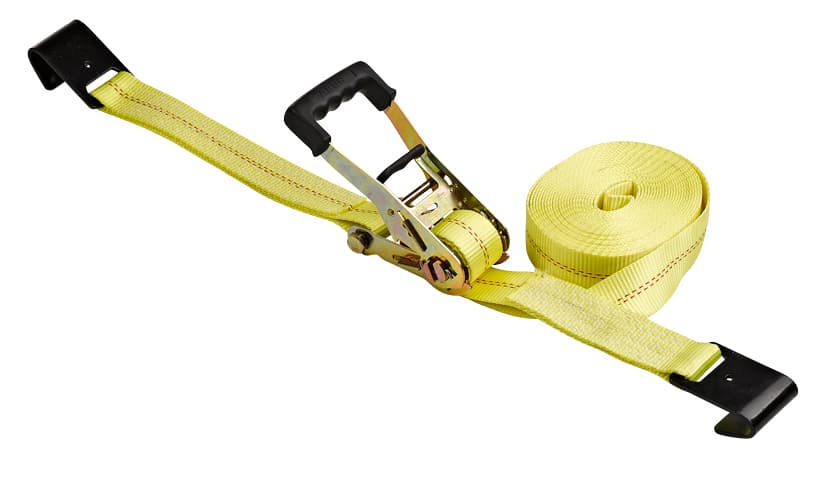
Ratchet straps consist of many important components that work together to ensure the safety of goods. The main components of a ratchet strap include webbing, a ratchet mechanism, a fixed end, an adjustable end, and end fittings. Each component plays a specific role in effectively securing goods. Understanding the components of a ratchet strap is crucial for preventing accidents and damage. Baoying manufactures straps that are robust, durable, easy to use, and equipped with advanced locking systems. The table below outlines the commonly used ratchet strap components in the industry.
| Component | Description |
|---|---|
| Webbing | Made for strength, flexibility, and long-lasting use. |
| Ratchet Mechanism | Built for steady and even tightening. |
| Fixed End | Provides a secure starting point for tightening. |
| Adjustable End | Allows for easy adjustments to accommodate different loads. |
| End Fittings | Connects the strap to anchor points. |
| Safety Features | Includes anti-slip handles and overload indicators. |
| Quick-Release Mechanism | Enables quick removal of the strap after use. |
Key Takeaways
- Ratchet straps consist of several key components, including the webbing, ratchet mechanism, fixed ends, adjustable ends, and end fittings. Each component helps ensure the safe and secure hold of goods.
- The webbing is typically made of strong polyester fibers, a material with low stretch, which helps keep goods taut and secure during handling.
- The ratchet mechanism makes tightening the strap easy and convenient, increasing the force applied and ensuring the goods are firmly secured.
- Before using ratchet straps, always carefully inspect them to ensure the webbing and fittings are undamaged. This helps prevent accidents and ensures everyone’s safety.
- Using the correct end fittings is crucial. These connect the strap to the anchor point. The fittings must be compatible with the type of goods to ensure their safety.
Main Components of a Ratchet Strap
Webbing
Webbing is a major component of ratchet belts. Most webbing is made of polyester fibers. Polyester fibers have low elasticity, high strength, and are resistant to sunlight and water. These properties make them ideal for high-intensity work. Webbing widths and strengths vary. Width and strength determine the weight the webbing can safely bear. The table below lists some common sizes and their strengths:
| Strap Width | Working Load Limit | Breaking Strength | Typical Applications |
|---|---|---|---|
| 1″ | 1,333 lbs | 4,000 lbs | Light cargo securement |
| 2″ | 3,335 lbs | 10,000 lbs | General cargo transport |
| 3″ | 5,000 lbs | 15,000 lbs | Heavy cargo applications |
| 4″ | 5,400 lbs | 15,000 lbs | Maximum strap capacity |
Ratchet Mechanism
The ratchet mechanism is the most important part of a ratchet strap. It uses gears and pawls to tighten the strap. This means you only need a small amount of force to tighten the strap. The force you apply is amplified 15 to 20 times. If you push with 1 pound of force, the strap will tighten by 15 to 20 pounds. This helps you easily secure your cargo.
The ratchet mechanism also allows you to control the tightness of the strap. You can tighten the strap slowly. This prevents sudden pulling and avoids damage to your cargo. Ratchet straps should not be used on trailers. They are not designed to withstand the strong pulling forces of trailers.
Fixed End
The fixed end secures one end of the ratchet strap in place. This part does not move when you tighten the strap. The fixed end provides a safe starting point for tightening. It is usually attached to an anchor point or end fitting. The fixed end must be strong enough to ensure the item is secure during transport. [Company Name] offers fixed ends for various applications.
Adjustable End
The adjustable end makes ratchet straps more flexible. You can adjust the length and tightness to suit different loads. This means you can use ratchet straps for large machinery or small items. Regardless of the shape or size of the item, the adjustable end ensures its secure hold.
Tip: Always look at the adjustable end before using the strap. Checking for damage helps stop accidents and keeps your cargo safe.
End Fittings
End fittings are used to attach ratchet belts to anchor points. They come in a variety of types and sizes, suitable for different tasks. Common end fittings include flat hooks, S-hooks, D-rings, and chain extensions.
Flat hooks are extremely strong and durable. S-hooks are suitable for hard-to-reach places. D-rings are best suited for heavy loads. Bao Ying offers a variety of end fittings suitable for all types of goods.
The various components of the ratchet strap work together to ensure the safe and secure handling of goods.
What is a Ratchet Strap
Definition and Uses
A ratchet belt is a tool used to secure goods. It uses a strong webbing and ratchet mechanism to prevent items from shifting or falling during transport. The ratchet mechanism makes tightening the ratchet belt easy. Using ratchet belts prevents damage to goods and ensures pedestrian safety.
Ratchet belts vary in size and strength. Some are small and suitable for securing lightweight items; others are larger and suitable for securing heavy equipment. The webbing has low elasticity, allowing it to withstand harsh weather. The ratchet mechanism locks the ratchet belt, keeping it taut. Due to its performance and ease of use, ratchet belts are used in many jobs.
Caution: Always check the ratchet belt for damage before use. A damaged ratchet belt may break, causing an accident.
Common Applications
Ratchet belts have a wide range of uses. They are used to secure furniture, appliances, and building materials. Moving workers use them to secure boxes and large items on trucks. Truck drivers use them to secure cargo on trailers. Farmers use them to secure farm implements on flatbed trucks. Crew members use ratchet belts to secure transported equipment, ensuring its safety.
The table below lists the most common uses of ratchet belts:
| Industry/Scenario | Description |
|---|---|
| Cargo Transport | Ratchet straps are needed to keep cargo safe in pickup trucks and big trailers. |
| Moving | Used to hold large items during loading, moving, and unloading, keeping things safe and steady. |
| Professional Moving | Movers use them to stop loads from shifting and to use space better in trucks and trailers. |
Function of Various Parts of Ratchet Strap
Webbing Function and Material
Webbing is the main component of ratchet ties. It gives the tie strength and flexibility, and securely holds goods in place, preventing movement. Most ratchet ties use polyester webbing for the following reasons:
- Polyester webbing has high strength, making it suitable for securing heavy objects.
- Its low elongation prevents goods from easily loosening.
- Polyester webbing is resistant to sunlight, water, mildew, and chemical corrosion.
- This material meets regulations for safe handling of goods.
Nylon webbing has better elongation and impact resistance. However, nylon webbing is not suitable for securing heavy objects. Polyester webbing is the best choice for most ratchet ties.
The Role of the Ratchet Mechanism
The ratchet mechanism is used to tighten and lock the tie. It uses a pawl and gear system. The pawl engages with the gear teeth to prevent the tie from loosening. This mechanism increases your pulling force, thus reducing the force required for operation.
The ratchet mechanism keeps the strap taut until you loosen it. This ensures your goods are safe during transport.
Fixed End vs. Adjustable End
The fixed end and the adjustable end serve different functions. The fixed end connects directly to the ratchet mechanism, has a fixed length, and provides a secure anchor point. The adjustable end passes through the ratchet mechanism, allowing you to adjust the strap length.
Adjustable ends allow the straps to fit various cargo sizes. Fixed ends ensure the straps remain stable during use.
The Importance of End Fittings
End fittings are used to secure ratchet straps to anchor points, ensuring the straps are firmly secured to the truck or trailer. Using the correct end fitting is crucial for safety. If the wrong end fitting is selected, the strap may fail to secure the cargo, causing it to shift or fall, potentially leading to an accident.
Tip: Always select the appropriate end fitting based on the anchor point and cargo type. This ensures cargo safety and prevents damage during transport.
Ratchet straps require strong end fittings to secure cargo in place. Selecting and inspecting end fittings helps ensure the safe and secure hold of cargo.
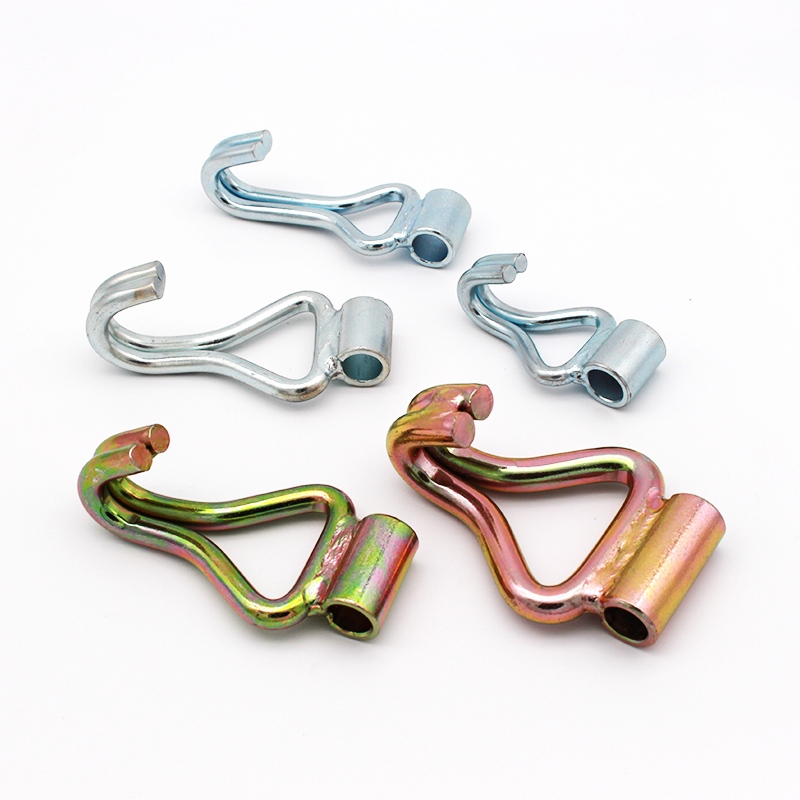
Types of End Fittings and Cargo Strap Hardware
Flat Hooks
Flat hooks provide a strong and stable connection, ideal for use as flat anchor points on trucks or trailers. Many drivers use flat hooks with E-track or L-track systems. These hooks help secure goods on flat surfaces. Flat hooks are not easily bent and can carry heavy loads.
Wire Hooks
Wire hooks are suitable for a variety of cargo transport operations. They can be quickly attached to D-rings and anchor points. Wire hooks are suitable for confined spaces and various shapes. Wire hooks are chosen when quick installation or removal of straps is required. Even at tight or difficult-to-access anchor points, wire hooks securely hold straps in place.
S-Hooks
S-hooks are simple in shape and easy to use. They can be quickly attached to tracks, rings, or anchor points. S-hooks are best suited for light cargo and fast operations. Moving companies and homeowners use S-hooks to secure furniture or appliances. S-hooks secure items without additional hardware.
D-Rings
D-rings are strong anchor points for ratchet straps. They are capable of supporting heavy loads and provide a secure hold. D-rings can be used with wire hooks and other accessories. Many trailers and flatbeds are equipped with D-rings for securing cargo. D-rings help keep the straps taut and prevent cargo from shifting.
Other End Accessories
Other end accessories include spring hooks, chain extensions, and butterfly joints. Spring hooks allow for quick connection and disconnection, facilitating rapid loading. Chain extensions extend the strap length and help handle unusual angles. Butterfly joints and F-joints are suitable for special operations and unique anchor points.
| End Fitting | Typical Use | Load Capacity |
|---|---|---|
| Flat Hook | Flat surfaces, E-track | High |
| Wire Hook | D-rings, anchor points | Medium to High |
| S-Hook | Rails, loops, light cargo | Light |
| D-Ring | Heavy loads, trailers | High |
| Snap Hook | Quick connect/disconnect | Medium |
| Chain Extension | Extra reach, odd angles | High |
Material Considerations for Ratchet Straps
Polyester Webbing
Polyester webbing is a major component of most ratchet ties. This material stretches very little, even when carrying heavy loads. Due to its extremely low tensile strength, the ties securely hold goods in place and will not come loose during transport. Polyester webbing has a high load-bearing capacity, making it ideal for binding large or heavy items. It is not easily affected by sunlight, water, or harsh weather. These properties help the ties maintain their strength and load-bearing capacity over a long period. Many companies use polyester webbing because it is not easily worn down, even outdoors or in harsh environments. The webbing is durable, so ratchet ties can be reused repeatedly without losing strength.
Metal Fittings
Metal fittings such as ratchet mechanisms, hooks, and buckles are essential to ratchet ties. The type of metal used affects the load-bearing capacity of the ties. If metal parts rust, they become brittle and may break. Manufacturers apply special coatings to the metal to prevent rust and extend the life of the fittings. Some common coatings include galvanizing, powder coating, and electroplating. These coatings prevent water and chemicals from corroding the metal. Regular cleaning and inspection of the hardware helps keep it secure. Before using a watch strap, check for any bent, cracked, or rusted parts.
Durability and Safety
How long ratchet straps last and how safe they are depends on good materials and taking care of them. Strong polyester webbing and tough metal hardware let ratchet straps hold a lot of weight. But some things can make straps break. The table below shows what can cause problems:
| Cause of Failure | Description |
|---|---|
| Material Quality | Good polyester lasts longer than cheap materials. |
| Environmental Exposure | Very hot, cold, sunny, or wet weather can make straps weak. |
| Load Capacity | Using straps for too much weight can make them fray and break. |
People should check straps for fading, stiffness, or mold before using them. These signs mean the strap might not be as strong as it should be. Cleaning and storing straps the right way helps them last longer and keeps cargo safe.
Tip: Always use the right load limit and working load limit to stop accidents and keep things safe when moving them.
How All Components Work Together
Cargo Securing Procedure
Each part of the ratchet strap helps ensure cargo security. First, thread the strap through the ratchet groove. Then, place the strap over the cargo. Tighten the free end of the strap to eliminate any slack. Next, use the ratchet handle to tighten the strap. The ratchet lock will secure the strap, preventing it from loosening. Afterward, tuck in any loose ends to prevent movement. Finally, check that the strap is tightened before driving.
- Put the strap through the ratchet slot.
- Lay the strap over your cargo.
- Pull the free end to remove slack.
- Use the ratchet handle to tighten the strap.
- Lock the strap in place.
- Tuck away loose ends.
- Check the strap for tightness.
Safety groups give tips for using ratchet straps the right way. The table below shows steps and tips for keeping cargo safe:
| Key Steps in Load Securing Process | Best Practices Recommended |
|---|---|
| Selecting the Right Webbing Material | Use polyester because it does not stretch much. |
| Picking the Correct Hardware and End Fittings | Make sure hardware matches the strap’s WLL. |
| Determining the Number and Position of Straps | Place straps to stop cargo from shifting. |
| Conducting a Thorough Pre-Trip Inspection | Look for cuts, frays, and check hardware. |
| Applying Proper Tension Without Overloading | Tighten slowly so you do not pull too hard. |
| Securing Cargo to Prevent Mid-Route Shifting | Balance the load and add more straps if needed. |
| Maintaining, Cleaning, and Storing Straps Properly | Keep straps clean and dry so they last longer. |
| FMCSA Standards for Cargo Securement | Follow the rules for tie-down strength. |
Tension and Safety Mechanism
The ratchet mechanism keeps the strap tight while you travel. You can make quick changes if you need to. The teeth inside the ratchet grip the webbing and stop it from slipping. When you pump the handle, the strap gets tighter little by little. This keeps the load steady and stops it from coming loose.
- The ratchet lets you tighten fast and adjust easily.
- The teeth hold the webbing so it does not slip.
- Pumping the handle makes the strap tighter step by step.
A ratchet strap uses strong webbing, tough hardware, and a good lock. These parts work together to keep cargo safe on the road. Checking the strap often and using it right helps stop accidents and keeps your load and vehicle safe.
Knowing about each part of a ratchet strap helps stop accidents and keeps cargo safe. You should check the webbing, hardware, and identification tags often. The table below lists what to look for during checks:
| Component | Inspection Point | Remove if… |
|---|---|---|
| Webbing | Cuts, abrasion, damage | Any cut, broken fibers, discoloration |
| Hardware | Deformation, corrosion | Bent, rusty, or stuck mechanism |
| Identification Tag | Legibility | Tag missing or unreadable |
FAQ
What are the main uses of ratchet belts?
Ratchet belts are used to secure goods during transport, preventing items from shifting or falling. They are used to ensure the safety of goods on trucks, trailers, or other vehicles.
How often should ratchet belts be inspected?
Users should inspect the ratchet belt before each use. They need to check for cuts, wear, rust, or missing labels. Regular inspection helps prevent accidents and ensures the safety of goods.
Can ratchet belts be used to tow vehicles?
Ratchet belts are not designed for towing vehicles. They are best suited for securing cargo. Towing heavy objects requires specially designed equipment.
What are most ratchet belts made of?
Most ratchet belts use polyester webbing and metal fittings. Polyester webbing is strong and weather-resistant. Metal components, such as hooks and ratchet wheels, provide a secure connection.
How do I release a ratchet belt after use?
To release a ratchet belt, pull and press the release lever. This action will open the ratchet and loosen the webbing. For safety reasons, always keep your hands away from moving parts.