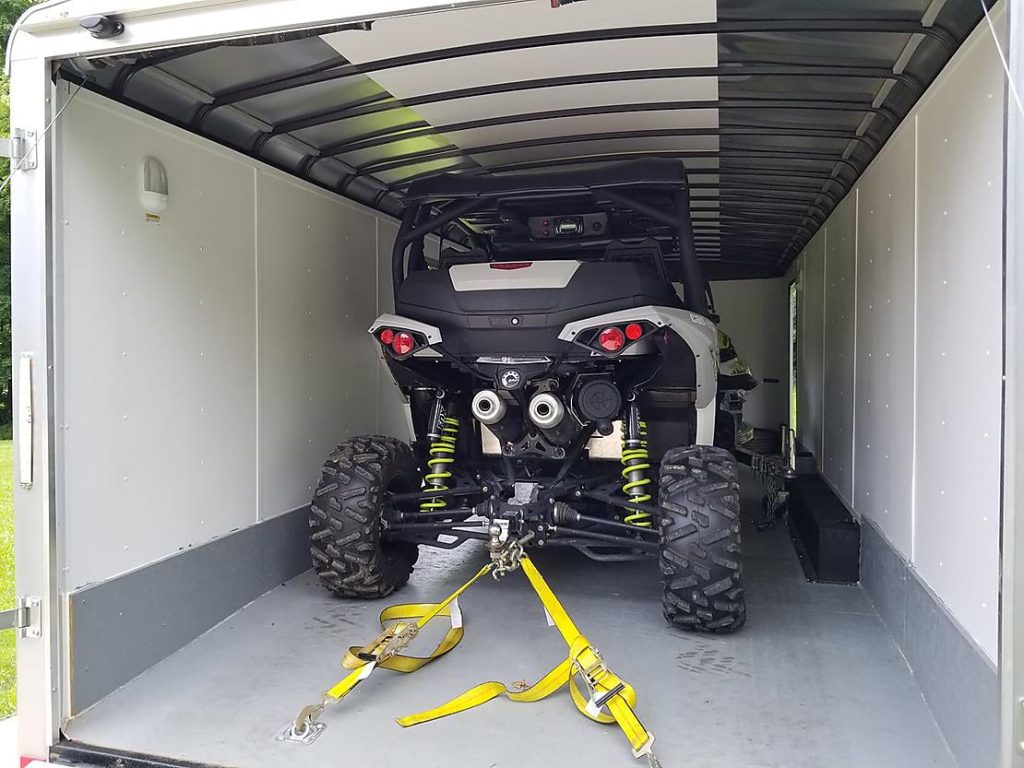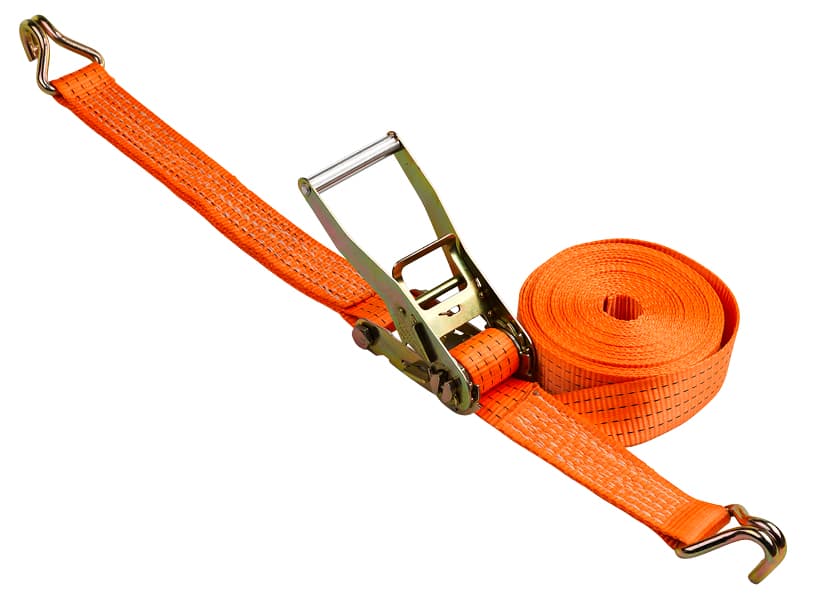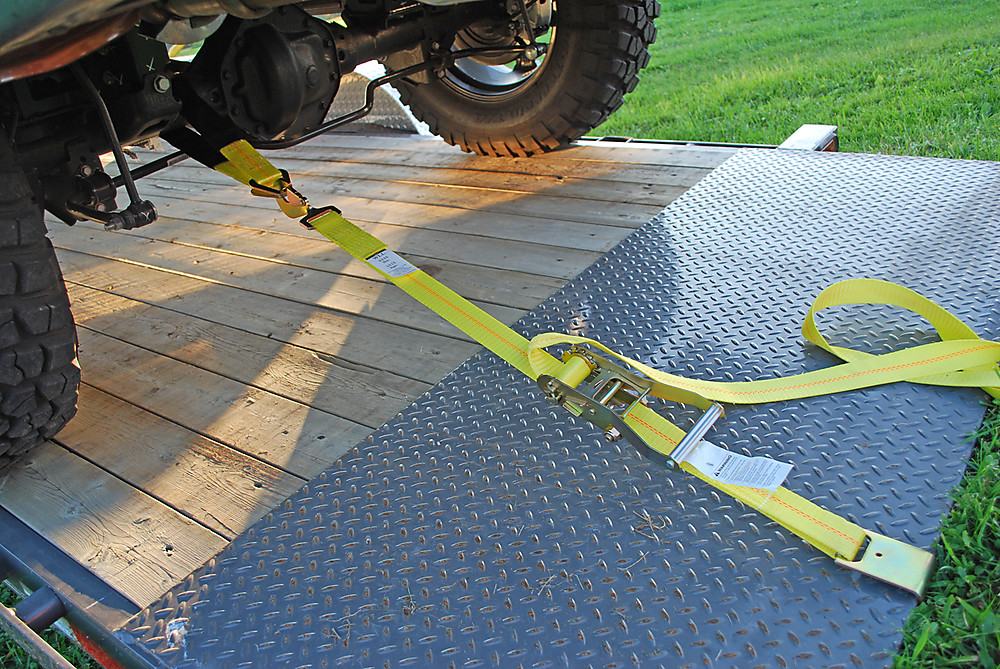
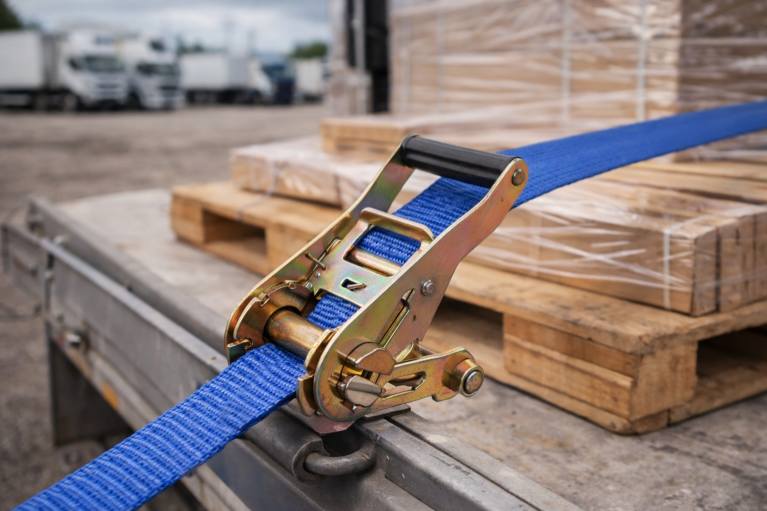
A ratchet strap is a powerful locking tool. It tightens webbing and secures it in place. It’s used to prevent goods from shifting during transport. Many industries require this tool for the safe handling of goods, such as logistics, construction, outdoor sports, and automotive manufacturing. The table below shows how to use it:
| Industry | Application Description |
|---|---|
| Logistics and Transportation | It keeps cargo safe on trucks, trailers, and containers. It stops things from moving when they are shipped. |
| Construction and Building | It holds heavy machines, wood, and building stuff at job sites. |
| Outdoor and Recreational | It keeps kayaks, camping gear, and other outdoor items safe when traveling. |
| Automotive and Vehicle | It holds motorcycles, ATVs, and other vehicles when moving. It also helps organize tools in car trunks. |
BaoYing uses ratchet straps in its binding straps. This helps ensure goods are securely and firmly secured.
Key Takeaways
- Ratchet straps are essential for handling goods, preventing them from shifting or falling.
- Using ratchet straps is very simple as long as you follow the steps. Be sure to perform each step correctly to ensure safety and achieve the best results.
- Choose the appropriate ratchet strap based on the size and type of your goods. This helps ensure the safety of your goods and meets your needs.
- Regularly check the ratchet strap for damage. Doing so ensures your safety and prevents accidents.
- Ratchet straps can be used for a variety of purposes. People trust them because they are robust and durable, lasting even when securing heavy objects.
Ratchet Buckle Description
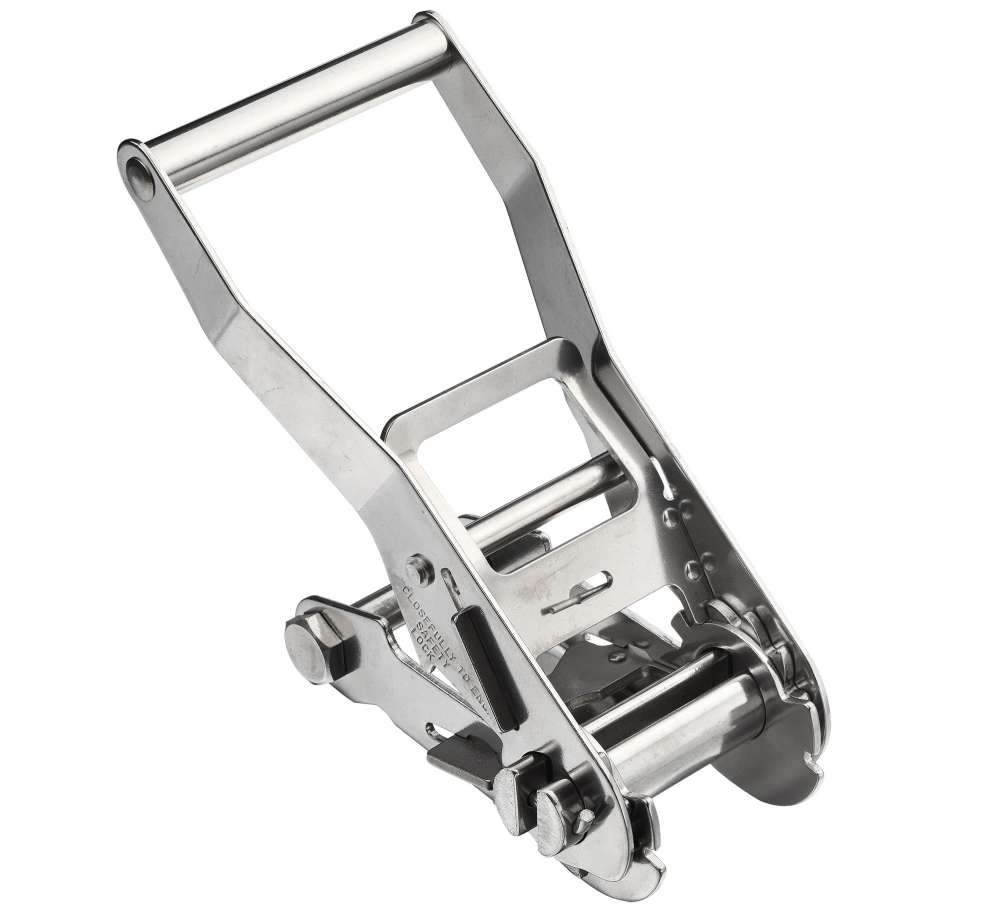
Main Parts
The ratchet lock consists of many important components. These components work together to ensure safety. Each component performs a specific function. The table below lists the key components and their functions:
| Component | Description |
|---|---|
| Fixed End | The non-adjustable part sewn into the buckle, where various fittings can be attached for anchoring. |
| Adjustable End | The part that is fed into the spindle of the ratchet, often removable for customization. |
| Tension Device | The ratcheting mechanism that tightens the webbing, providing mechanical advantage for securing loads. |
| Webbing | The strap itself, typically made of strong, lightweight polyester that is weather resistant. |
The ratchet also includes a handle, gears, and locking pawls. These components help tighten the strap and lock it in place. The table below shows how these components work:
| Component | Function |
|---|---|
| Handle | Acts as a lever, multiplying the force applied, allowing for tighter load securing. |
| Gear Wheel | Engages with the handle to rotate the spool, pulling in the webbing tightly. |
| Locking Pawl | Engages with the gear teeth to prevent backward movement, ensuring the load remains secure. |
| Ratcheting Mechanism | Provides incremental tightening for precise control over load tension. |
Appearance and Materials
Ratchet ties are small yet robust. The handles and frames are typically made of shiny metal. The webbing is also highly visible for easy identification. Their design makes them simple and quick to use.
Different materials give ratchet ties varying strengths and lifespans. The choice of material affects their load-bearing capacity and lifespan. Here are some common materials and their advantages:
- Stainless steel, such as 304 and 316 grade stainless steel, is very strong and rust-resistant. This makes it suitable for binding heavy loads and outdoor use.
- The load-bearing capacity of a ratchet ties depends on the material. Some ratchet ties can support 1,000 to 5,000 pounds, so choosing the right material is crucial.
- Strength materials like stainless steel prevent rust and damage. They ensure the safety of your goods, even in harsh weather conditions.
A high-quality ratchet ties should have a sturdy frame, a smooth handle, and strong webbing. These characteristics help you securely bind your goods.
Ratchet Mechanism
How It Works
Ratchet ties use a clever locking system to ensure the safety of your goods. Its main components include a pawl and gear system. This system allows the user to tighten the strap without it slipping. The gears rotate only in one direction. The pawl locks onto the gear teeth to prevent the strap from loosening. This design allows for the secure fixing of heavy objects during transport.
- The ratchet mechanism uses a pawl and gear system.
- The gears allow tightening but prevent backward movement.
- The pawl locks the strap in place, ensuring the safety of the goods.
This strong locking action makes the ratchet a reliable tool in many jobs.
Usage Steps
You can use the ratchet safely by following these steps:
- Ensure the ratchet handle is fully closed.
- Hook one end of the strap onto the anchor point. Stretch the strap over the goods. Hook the other end onto the anchor point on the opposite side.
- Pass the webbing through the center reel from the bottom and pull it out from the top.
- Open and close the ratchet handle to eliminate slack. Stop tightening when the goods feel secure. Avoid overtightening, especially when securing fragile items.
- Press down on the ratchet handle to fully close. This action locks the mechanism.
To release the strap:
- Lift the release lever on the handle upwards.
- Open the ratchet until it lies flat.
- Pull out any excess webbing.
- Wrap the webbing around the hardware for safe storage.
Tip: Always inspect the strap and hardware before use. Ensure there is no damage or wear.
| Common Mistake | How to Avoid It |
|---|---|
| Incorrect Strap Length and Load Size | Measure the load length before choosing a strap; ensure it covers the cargo adequately. |
| Over-tightening the Ratchet Straps | Tighten only until secure; inspect for damage after tightening. |
| Using Damaged or Worn-Out Ratchet Straps | Inspect straps for wear; replace any that show significant damage. |
| Failing to Properly Thread the Strap | Thread the strap correctly as per manufacturer instructions; double-check before tightening. |
| Not Using Enough Straps for Large Loads | Use multiple straps for heavy items; distribute them evenly across the load. |
| Ignoring Safety Precautions | Ensure cargo stability and strap tightness before moving; keep hands away from the ratchet mechanism. |
| Not Accounting for Strap Stretching | Check and re-tighten straps after a short drive to maintain tension. |
Ratchet Buckle Applications
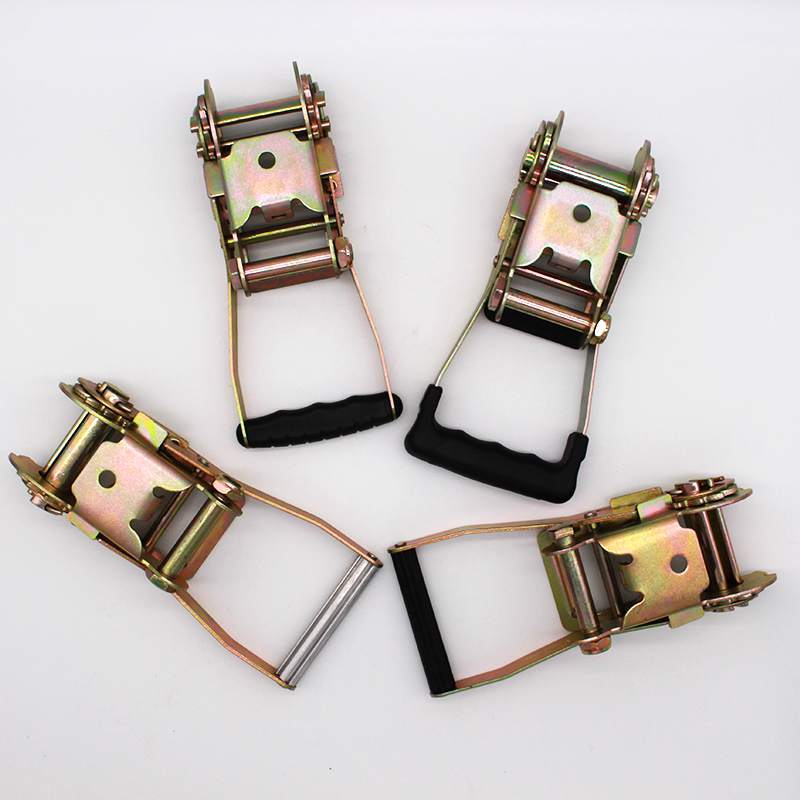
Cargo Securing
Ratchet straps are crucial for ensuring cargo security. They prevent cargo from shifting or falling during transport. Many jobs require this tool to secure goods. Logistics companies use them on trucks, trailers, and containers. Automotive workers use them on motorcycles, ATVs, and auto parts. Marine workers use them to secure boats and equipment on trailers. Personnel handling large machinery and pallets also require them.
Baoying offers a variety of ratchet straps. They manufacture straps suitable for both light and heavy cargo. Customers can choose standard straps or customize straps to special specifications. The table below shows how different sizes and strengths of straps meet different job requirements:
| Strap Width | Breaking Strength (lbs) | Common Uses |
|---|---|---|
| 1 inch | 500–1,500 | Coolers, small equipment, recreational gear |
| 1.5 inches | 1,500–3,000 | Pickup truck cargo, general use |
| 2 inches | 3,000–10,000 | ATVs, motorcycles, pallets, large equipment |
Other Common Uses
Ratchet straps also play a role in many other jobs. Construction workers use them to secure heavy machinery and building materials. Farmers use them to safely move tractors and tools. Those working in the renewable energy industry use them to secure wind turbine components.
Other uses include:
- Protecting outdoor equipment, such as camping or kayaking gear
- Organizing tools and supplies in cars or trucks
- Securing tarpaulins or tarpaulins during storms
BAOYING provides strong and secure tie-down straps for these jobs. They allow customers to customize tie-down straps to their specific needs. This makes ratchet straps a reliable tool for many jobs.
Advantages of Ratchet Straps
Key Advantages
Ratchet straps offer many advantages in protecting cargo. They are strong, durable, and highly reliable. The table below shows the difference between ratchet straps and cam-lock straps:
| Feature | Ratchet Straps | Cam Buckle Straps |
|---|---|---|
| Strength | High strength for heavy-duty use | Lower strength for lighter loads |
| Tension Capabilities | Excellent tension control | Easier to use but less secure |
| Ideal Use | Securing heavy cargo | Quick securing of lighter items |
Ratchet chains prevent goods from shifting and avoid damage during handling. The table below lists further advantages of ratchet chains:
| Benefit | Description |
|---|---|
| Prevent load shifting | Ensures cargo remains stable during transport or storage. |
| Reduce cargo damage | Minimizes risks of damage and liability during transit. |
| Improve worker safety | Enhances safety during loading and unloading processes. |
| Meet safety regulations | Complies with international transport safety standards. |
Note: Ratchet straps adhere to strict safety regulations. They help ensure worker safety and protect critical items.Many people choose ratchet straps for heavy-duty work. This fastener securely holds items in place, preventing them from shifting. It is especially suitable for large or irregularly shaped items. The robust webbing and ratchet mechanism can withstand significant tensile forces. This makes it ideal for trucks, trailers, and other handling methods.
Heavy-duty ratchet straps are made with robust polyester webbing. This material is durable and remains strong even after repeated use. The ratchet mechanism allows workers to quickly and easily tighten the strap. This saves time and helps ensure everyone’s safety.
Ratchet straps are available in a variety of sizes and lengths. They are suitable for a wide range of cargo transport and handling jobs. Their versatility makes them very useful in many fields.
Tip: If you need to ensure the safety of heavy or critical goods, ratchet straps offer peace of mind and are highly effective.
Choosing and Using Ratchet Straps
Purchase Tips
Choosing the right ratchet strap is crucial for safety. Before selecting a ratchet fastener, you need to consider the following aspects: check the working load limit, breaking strength, and the material of the fastener. These details will help you determine whether the fastener is suitable for your goods. BAOYING products comply with standards such as ISO 9001 and EN 12195-2. This means their fasteners are safe, reliable, and of superior quality.
The table below lists the factors to consider when selecting a ratchet fastener:
| Criteria | Description |
|---|---|
| Technical Specifications | Check WLL, breaking strength, and material for safe cargo securement. |
| Industry Compliance | Look for certifications such as ISO 9001, DOT, and EN 12195-2. |
| Performance Metrics | Consider durability, corrosion resistance, and ease of use. |
| Quality Assurance | Choose suppliers with strong QA processes and proven track records. |
| Integration Capabilities | Make sure the buckle fits with existing systems and offers customization options. |
Different jobs require different sizes and strengths of straps. BAOYING allows you to choose the strap length, width, and end fittings you need.
Safety Guidelines
Safety is paramount when using ratchet buckles. Always inspect the straps before and after use. Check the webbing for holes, tears, burns, or sun damage. Inspect the stitching and metal parts for cracks or rust. This helps prevent accidents.
Here are the steps to ensure safety:
- Wear gloves and other protective equipment.
- Maintain a safe standing posture when tightening the straps.
- Do not allow the straps to spring back quickly.
- Inspect the straps and components regularly.
- Follow the manufacturer’s instructions for the use and care of the buckles.
BAOYING’s straps comply with stringent safety standards such as ISO 9001, DOT, and FMCSA. Their testing ensures the straps perform well and protect your safety.
Note: Replace any damaged straps immediately for safety.
Ratchet buckles are essential for securing goods. They feature strong webbing and a robust ratchet mechanism. The end fittings are sturdy and durable, securing items firmly. These tools can withstand significant forces. They are durable and easy to use. Many jobs use them to move heavy machinery and vehicles.
- They are capable of withstanding heavy loads and have passed safety tests.
- These materials are durable and can withstand various weather conditions.
- You don’t need to replace them frequently, thus saving costs.
| Why Choose BAOYING? | Details |
|---|---|
| Trusted Supplier | Many buyers order again and again |
| Superior Materials | Made with alloy steel and polyester webbing |
| Industry Compliance | Follows strict safety rules |
FAQ
What are the main uses of a ratchet strap?
A ratchet strap prevents goods from shifting during transport, avoiding slippage or falling. It’s used in many jobs to ensure the safety of items.
How to release a ratchet strap?
To release a ratchet strap, pull the release lever and fully open the handle. Then, pull out the webbing. This will quickly loosen the strap.
Can ratchet straps be used outdoors?
Yes. Many ratchet straps are made of stainless steel or coated metal. These materials won’t rust, can withstand harsh weather, and are ideal for outdoor use.
What makes BAOYING tie down straps different?
| Feature | BAOYING Tie Down Straps |
|---|---|
| Quality | Can hold heavy loads |
| Customization | Offers ODM/OEM choices |
| Certifications | Has ISO 9001, CE, GS |